Japanese Matcha vs Chinese Matcha
Matcha has become a global product, yet its definition is often blurred. Powders made using different raw materials and production methods are sold under the same name, despite having little in common in terms of quality or intended use.
At Estradora, we work exclusively with Japanese tea producers and follow the established Japanese understanding of matcha. This article explains how Japanese matcha and Chinese matcha differ at a fundamental level, and why these differences directly affect taste, texture, and overall quality.
What matcha means in Japan
Authentic matcha is produced exclusively from tencha, a shade-grown green tea cultivated specifically for grinding into powder. Tencha is processed without rolling, preserving the natural leaf structure required for controlled drying and subsequent grinding into powder.
The traditional Japanese framework for matcha production includes:
- shading the tea plants prior to harvest;
- steaming the leaves to stop oxidation;
- drying the leaves without rolling;
- grinding dried tencha into powder.
This framework was developed for one purpose:
to produce a tea that can be prepared with water alone, offering balance, smooth texture, and clarity of taste.
Powdered green tea made from other types of leaves does not meet this definition, even if it appears visually similar.
Cultivars: matcha is not made from any tea plant
Japanese producers consistently note that not every tea cultivar is suitable for matcha.
Tencha is produced from specific cultivars selected for their ability to:
- develop umami and softness;
- respond well to shaded cultivation;
- maintain balance after grinding.
Cultivars commonly used for sencha are not always appropriate for matcha. This selection further limits yield and increases production complexity.
In contrast, Chinese matcha production generally places less emphasis on cultivar specificity, prioritizing versatility and large-scale output. As a result, the choice of cultivars is often broader and less specialized.
The role of shading in quality
Shading before harvest is a defining factor in Japanese matcha production and is well documented in Japanese agricultural and tea research.
Reduced sunlight:
- increases chlorophyll retention, resulting in a vivid green color;
- lowers bitterness;
- supports a softer, more rounded taste profile.
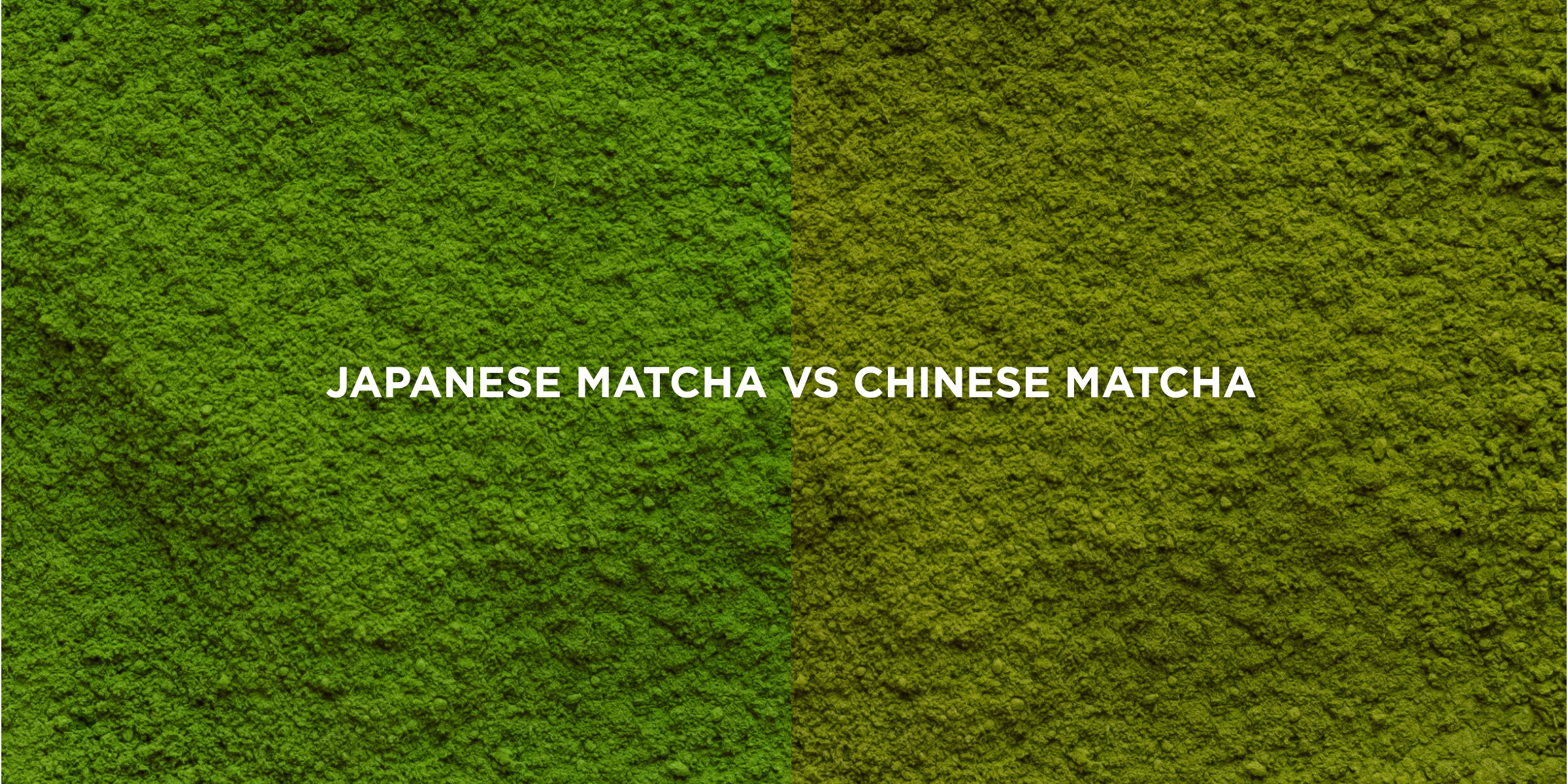
Matcha produced without sufficient shading often appears dull or yellow-green and tends to taste sharper when prepared. This difference reflects leaf chemistry rather than stylistic preference.
Grinding speed and heat sensitivity
Japanese sources frequently highlight the sensitivity of matcha to heat and oxygen during grinding.
Key considerations:
- rapid, high-speed grinding raises temperature;
- increased heat accelerates the loss of aroma and color;
- extremely fine powder alone does not indicate quality.
For this reason, traditional Japanese grinding is intentionally slow and controlled. Freshness and aromatic stability are prioritized over speed or extreme fineness.
Mass production inevitably involves compromise. A powder may appear uniform, yet lack the depth and stability associated with high-quality Japanese matcha.
How Chinese matcha is typically produced
China has become a major global producer of matcha powder, primarily supplying industrial and commercial markets.
In most cases, Chinese matcha production differs fundamentally from the Japanese approach. Tea plants are often not shade-grown, and the raw material used is typically standard green tea rather than tencha. Production is structured around efficiency, consistency, and low cost rather than ceremonial quality.
As a result, Chinese matcha powders commonly exhibit:
- limited depth and natural sweetness;
- a coarser or sandy texture;
- rapid loss of color and aroma after opening.
Another commonly observed difference during preparation is sediment.
Matcha produced without tencha-specific processing or with coarser grinding often does not remain fully suspended in water. When whisked and left to stand, such powders may settle at the bottom of the bowl or glass, forming visible sediment.
In traditionally produced Japanese matcha, the combination of leaf structure, fine yet controlled grinding, and proper shading allows the powder to stay evenly suspended, resulting in a smoother, more integrated texture throughout drinking.
These characteristics reflect the intended purpose of the product. Chinese matcha is generally designed to function as an ingredient rather than as a tea prepared and consumed on its own.
Processing priorities and their impact on quality
Chinese matcha production is typically optimized for industrial output.
Common processing practices include:
- pan-firing or high-temperature treatment instead of gentle steaming;
- rolling of leaves, which alters the internal leaf structure;
- high-speed grinding to maximize volume.
While these methods increase efficiency, they compromise aromatic stability, texture, and color retention. From the perspective of Japan and its established matcha standards, such processing does not align with the requirements for ceremonial matcha.
The resulting powder may appear uniform, but it lacks the structural balance and refinement expected from matcha intended for traditional preparation.
Japanese Matcha vs Chinese Matcha
|
Aspect |
Japanese Matcha |
Chinese Matcha |
|
Raw material |
Tencha only |
Often standard green tea |
|
Shaded cultivation |
Yes |
Often no |
|
Cultivar selection |
Specific, shade-adapted |
Broad, less specialized |
|
Primary processing |
Steamed, not rolled |
Industrial or pan-fired |
|
Grinding |
Slow, controlled |
High-speed, industrial |
|
Texture |
Smooth, stable |
Often coarse or sandy |
|
Color |
Naturally vivid green |
Dull or yellow-green |
|
Intended use |
Preparation with water |
Ingredient use |
|
Ceremonial suitability |
Yes |
Generally no |

Why ceremonial matcha cannot be inexpensive
Japanese ceremonial matcha is structurally limited by its production method.
Shaded cultivation reduces agricultural yield.
Tencha requires additional processing steps.
Grinding is slow and carefully controlled.
For these reasons, high-quality ceremonial matcha cannot be produced cheaply. When matcha is marketed as ceremonial at a very low price, it typically reflects differences in raw material, cultivation, or processing standards.
Perceived experience
Traditionally, matcha in Japan has been valued for balance rather than intensity.
Properly produced matcha is commonly perceived as:
- clean and even;
- smooth rather than sharp;
- harmonious rather than heavy.
Lower-quality matcha is often experienced as harsher or less refined. These differences reflect variations in leaf composition and production methods, not strength alone.
Estradora approach
Estradora follows the established Japanese understanding of matcha.
Our selection is guided by production integrity rather than terminology. We work exclusively with matcha that:
- is produced from tencha;
- is cultivated and processed in Japan;
- demonstrates balance, clarity, and refinement;
- aligns with the traditional purpose of matcha.
Clear production standards allow matcha to be understood accurately and chosen with confidence.
Disclaimer
This article reflects the perspective and experience of Estradora, based on established Japanese tea practices, producer knowledge, and industry standards commonly referenced in Japan. It is not intended as an absolute or exhaustive evaluation of all matcha produced outside Japan. Production methods, quality, and intended use can vary widely between producers and regions. The purpose of this article is to clarify how matcha is traditionally defined and produced in Japan, and to explain why these criteria lead to differences in taste, texture, and use.