


#1 AUTHENTICITY
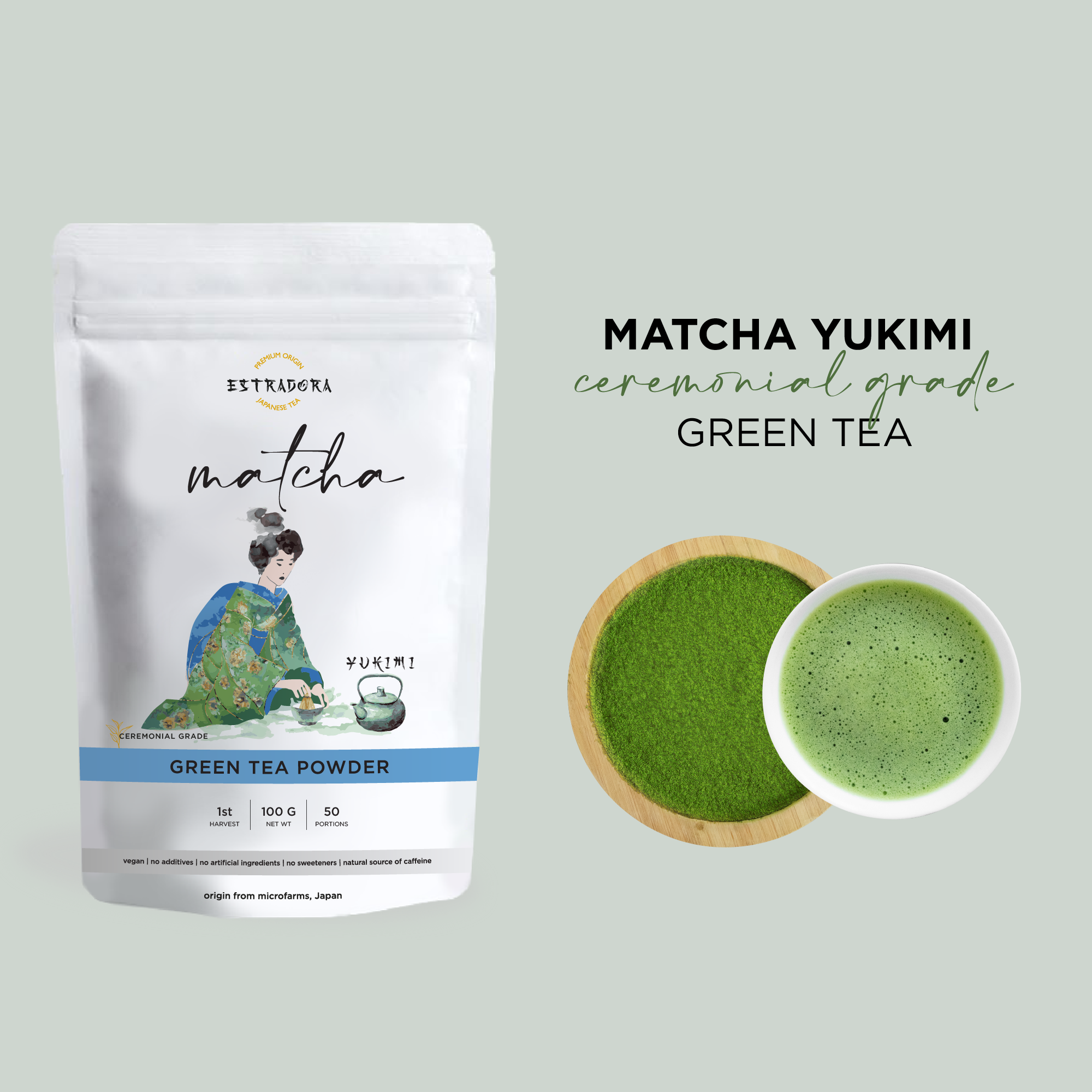
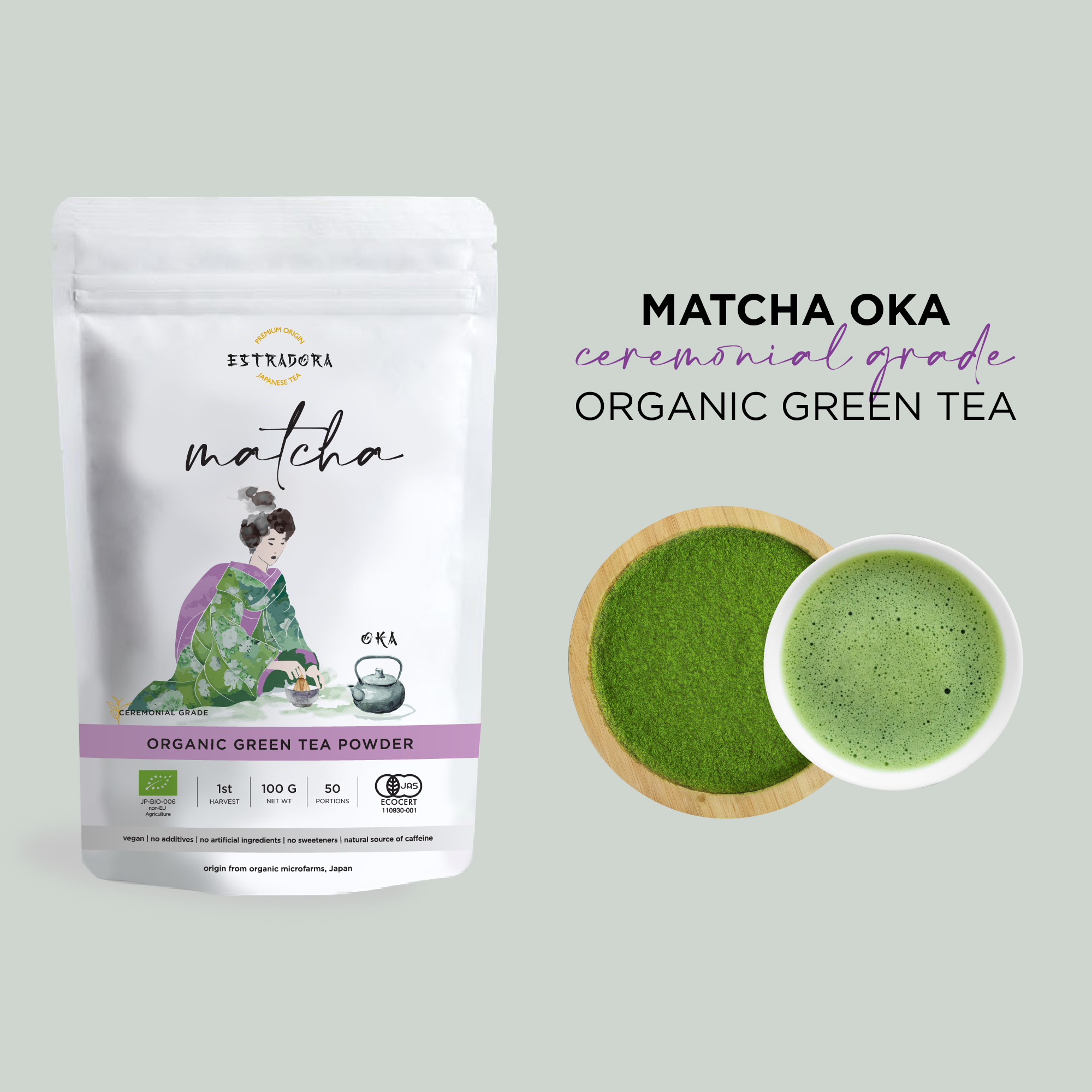
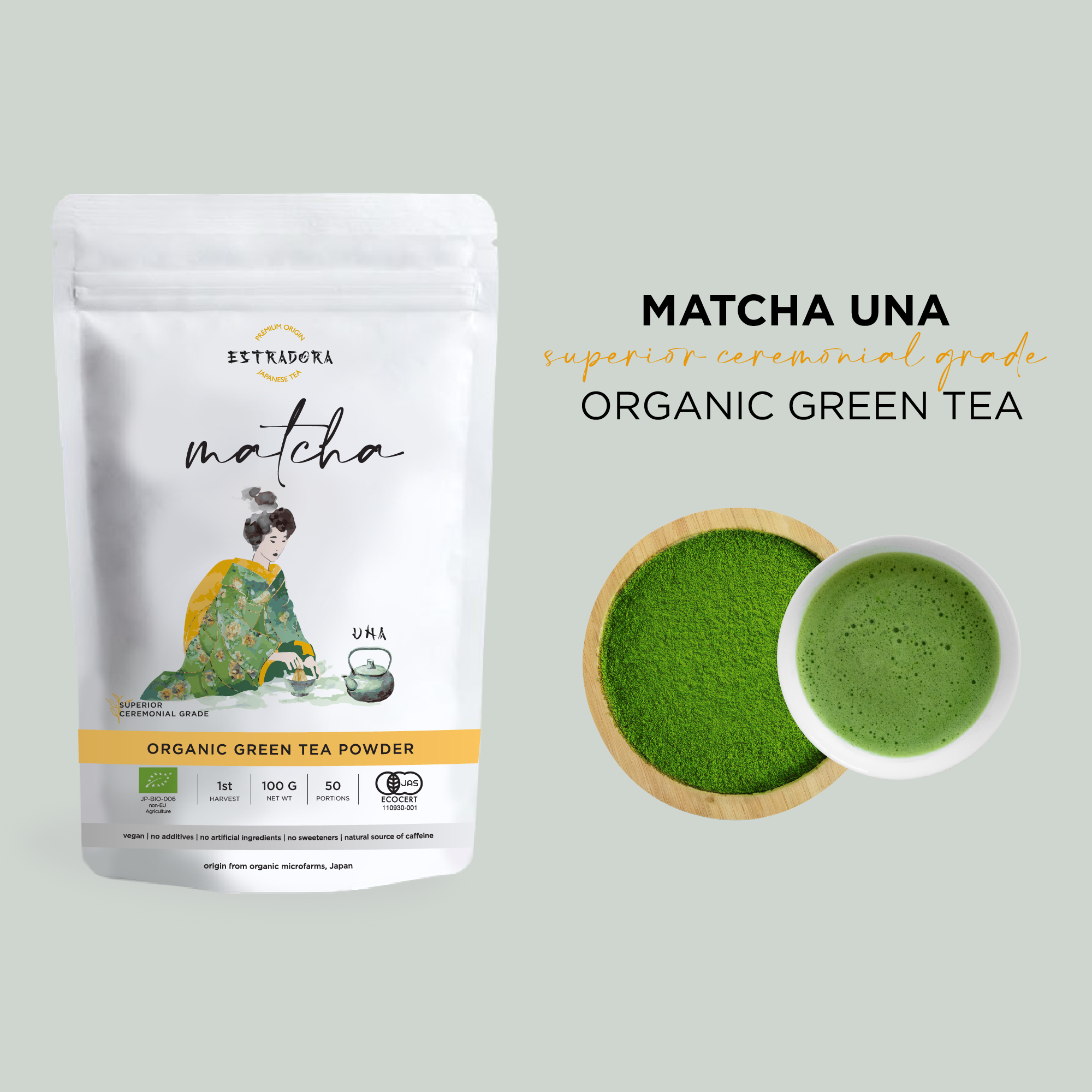
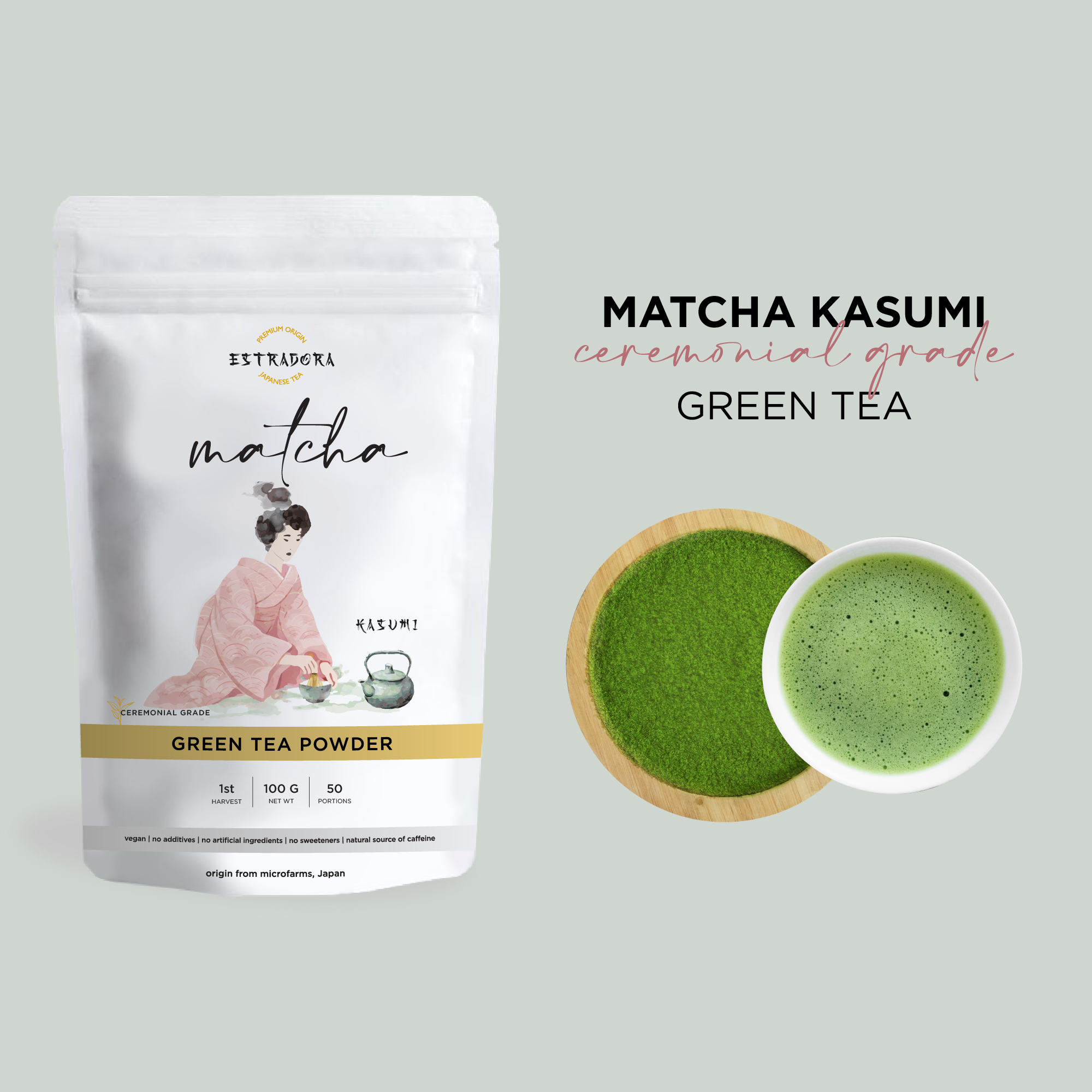
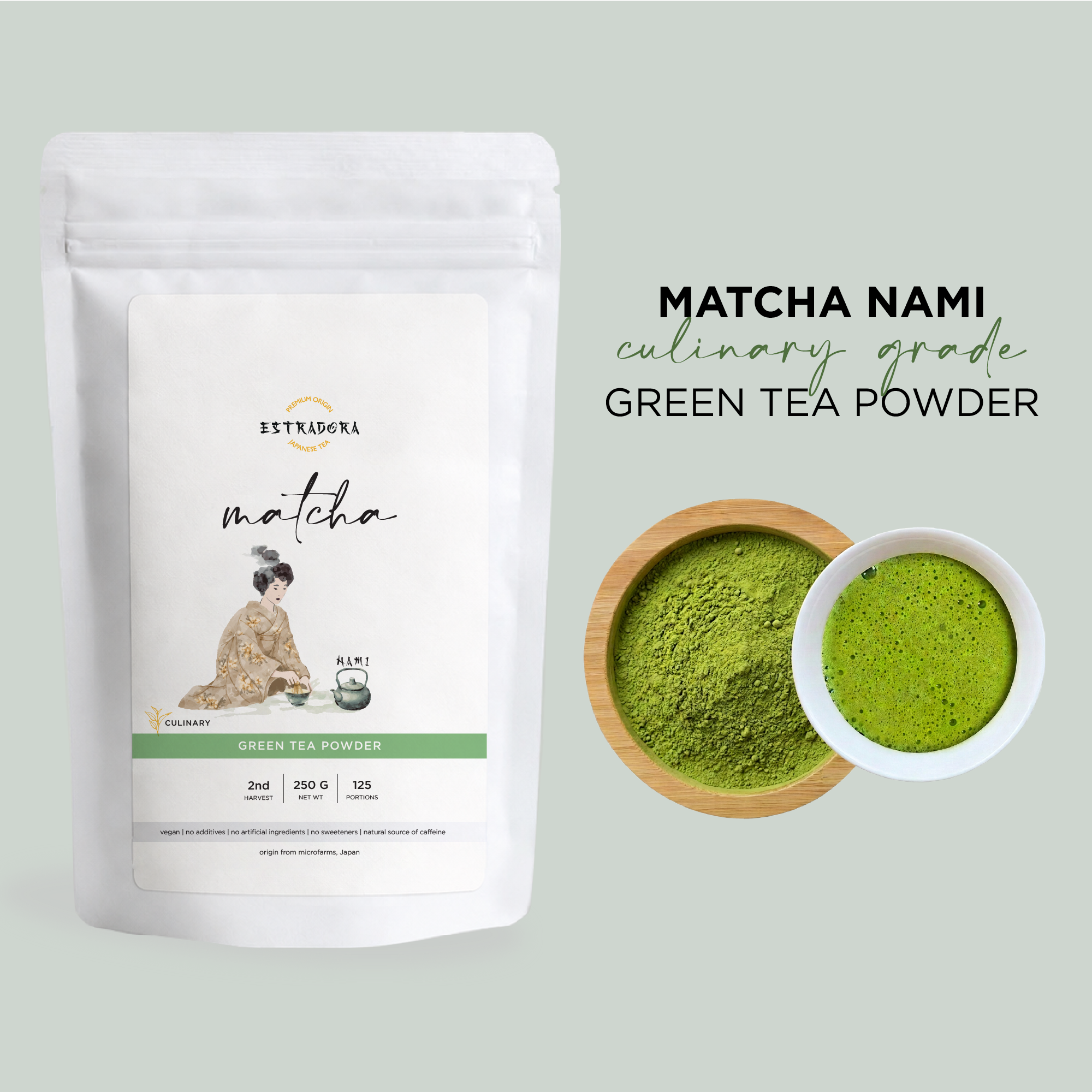
Sourced directly from traditional tea-growing regions in Japan, where matcha has been crafted for centuries using time-honored methods.
#2 UNIQUENESS
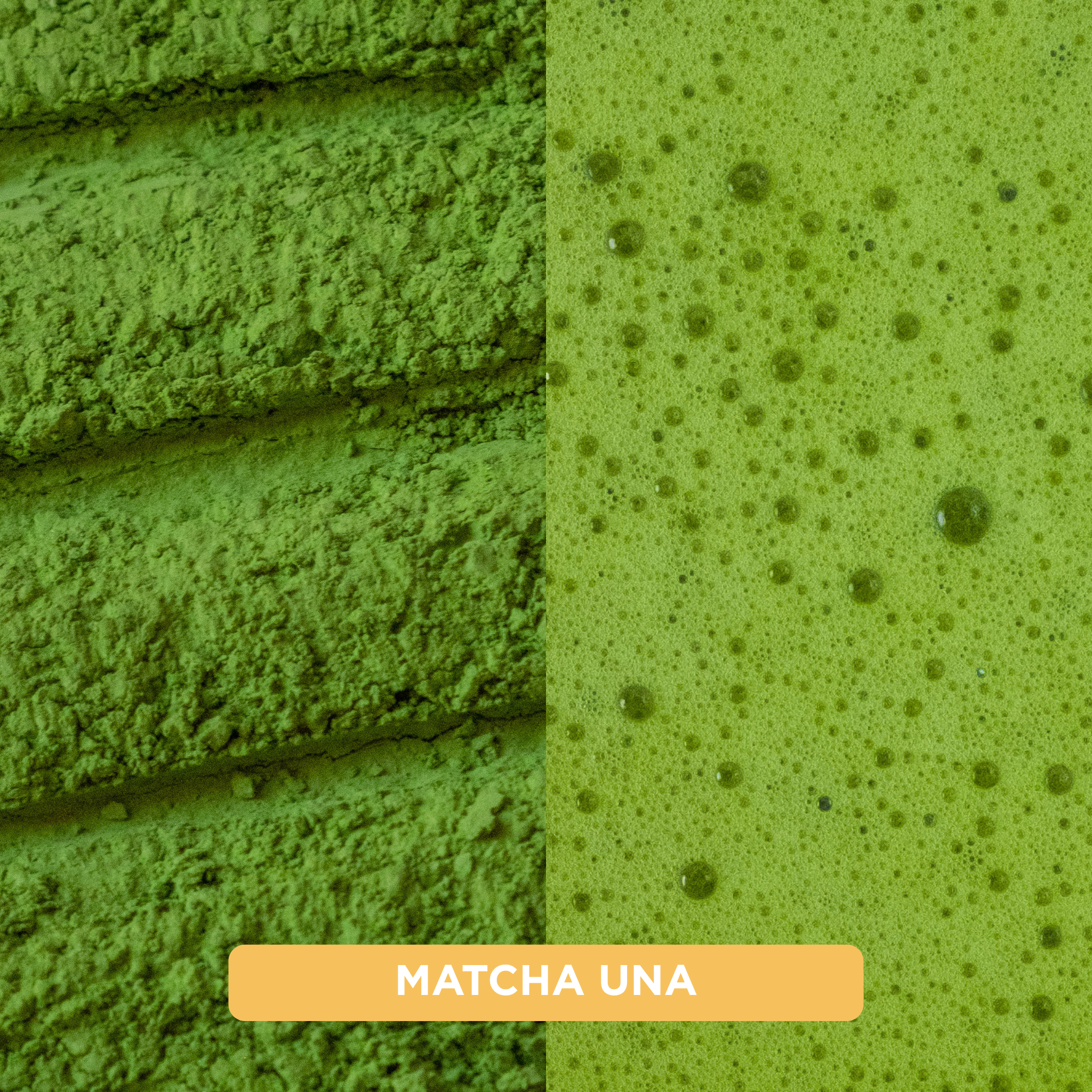
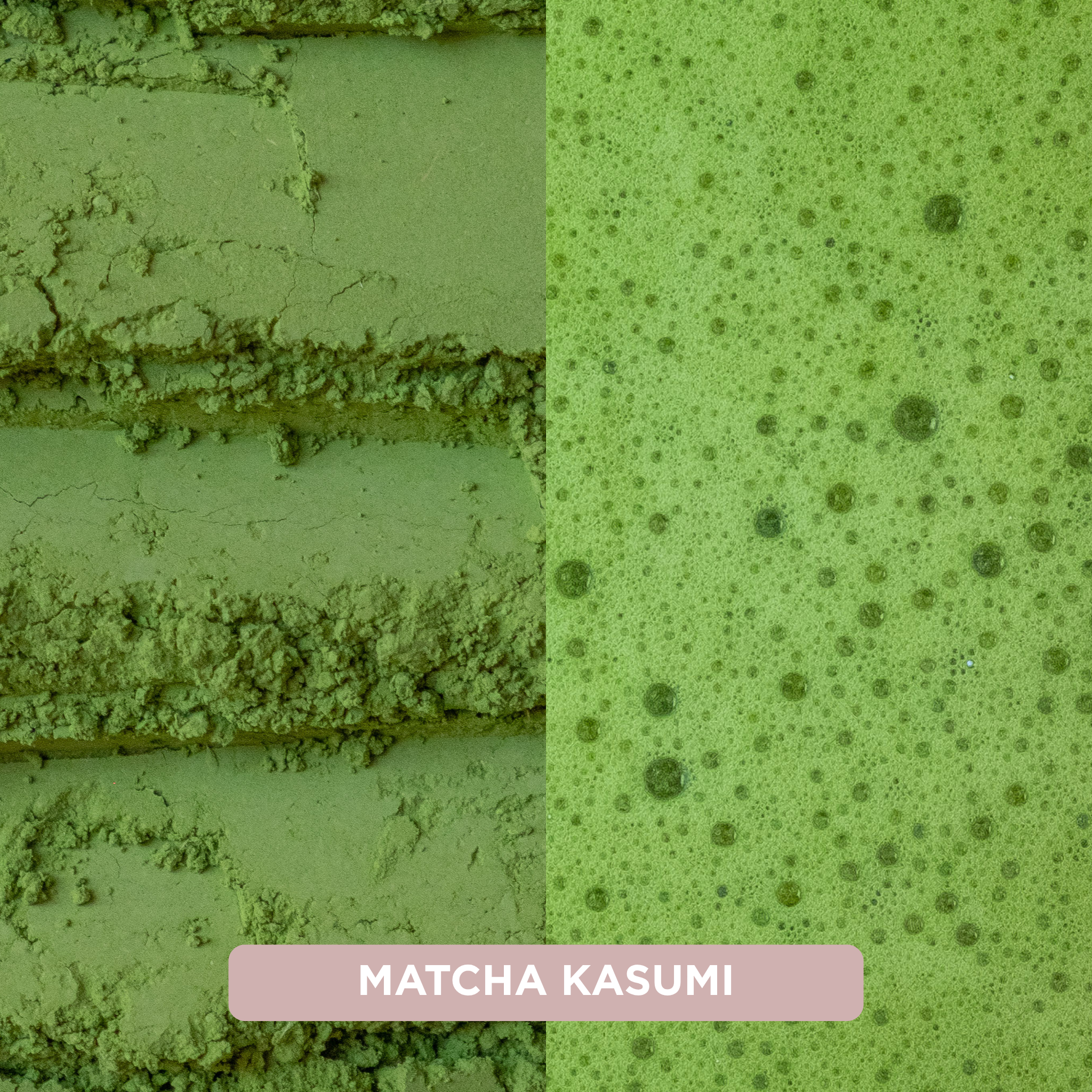
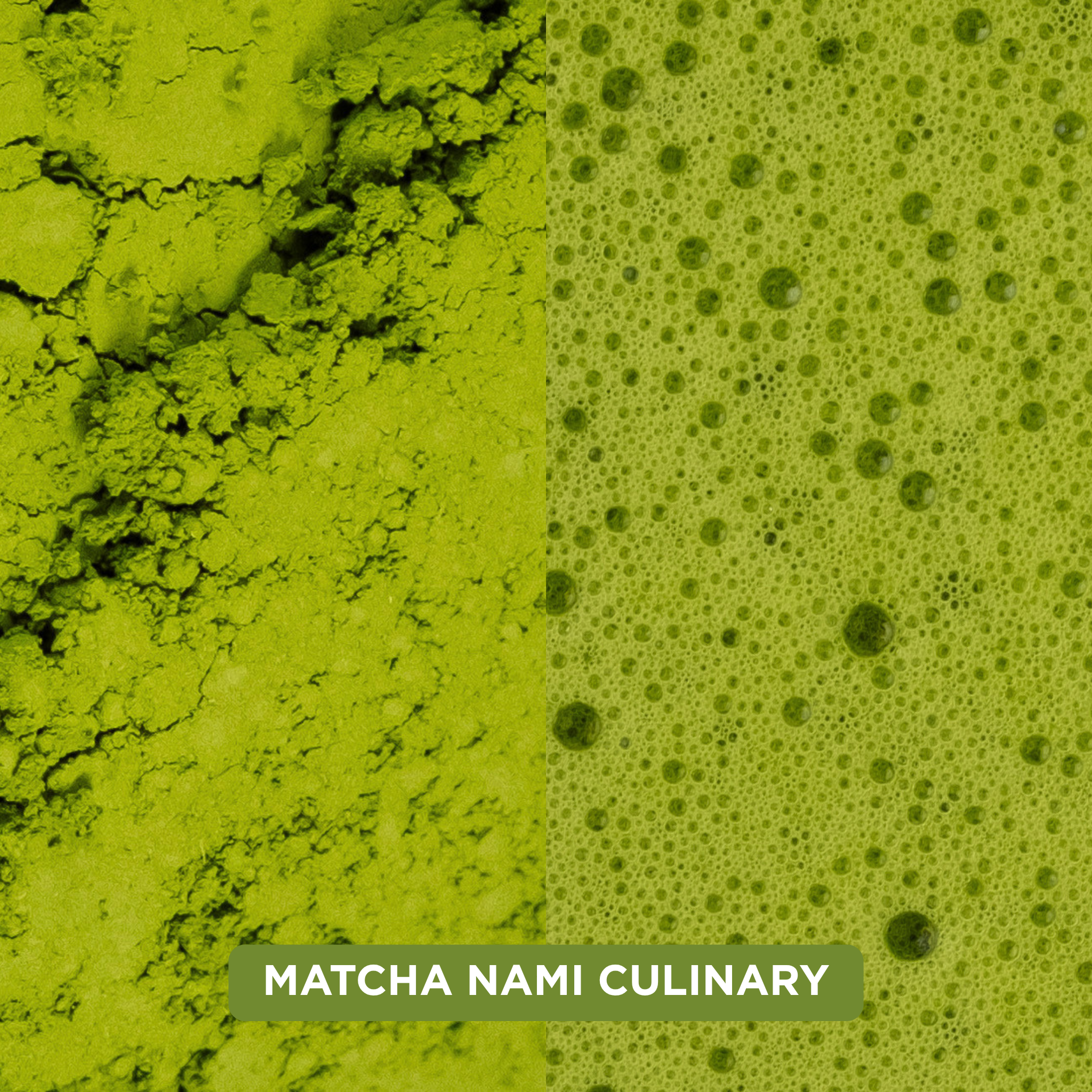
Limited harvest and slow production: finely ground on a stone mill, just like it was done by monks in ancient temples.
#3 SUPERIOR TASTE
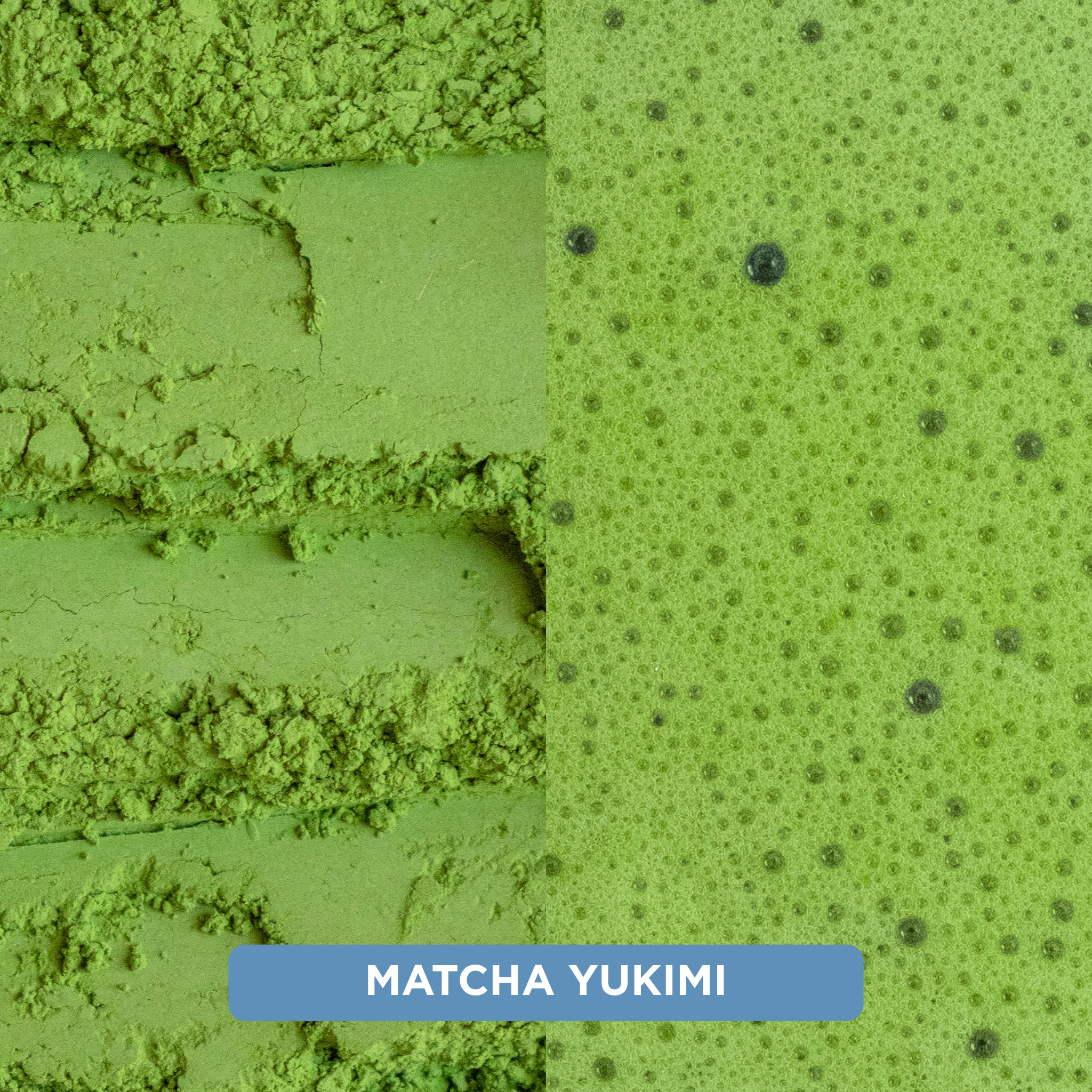
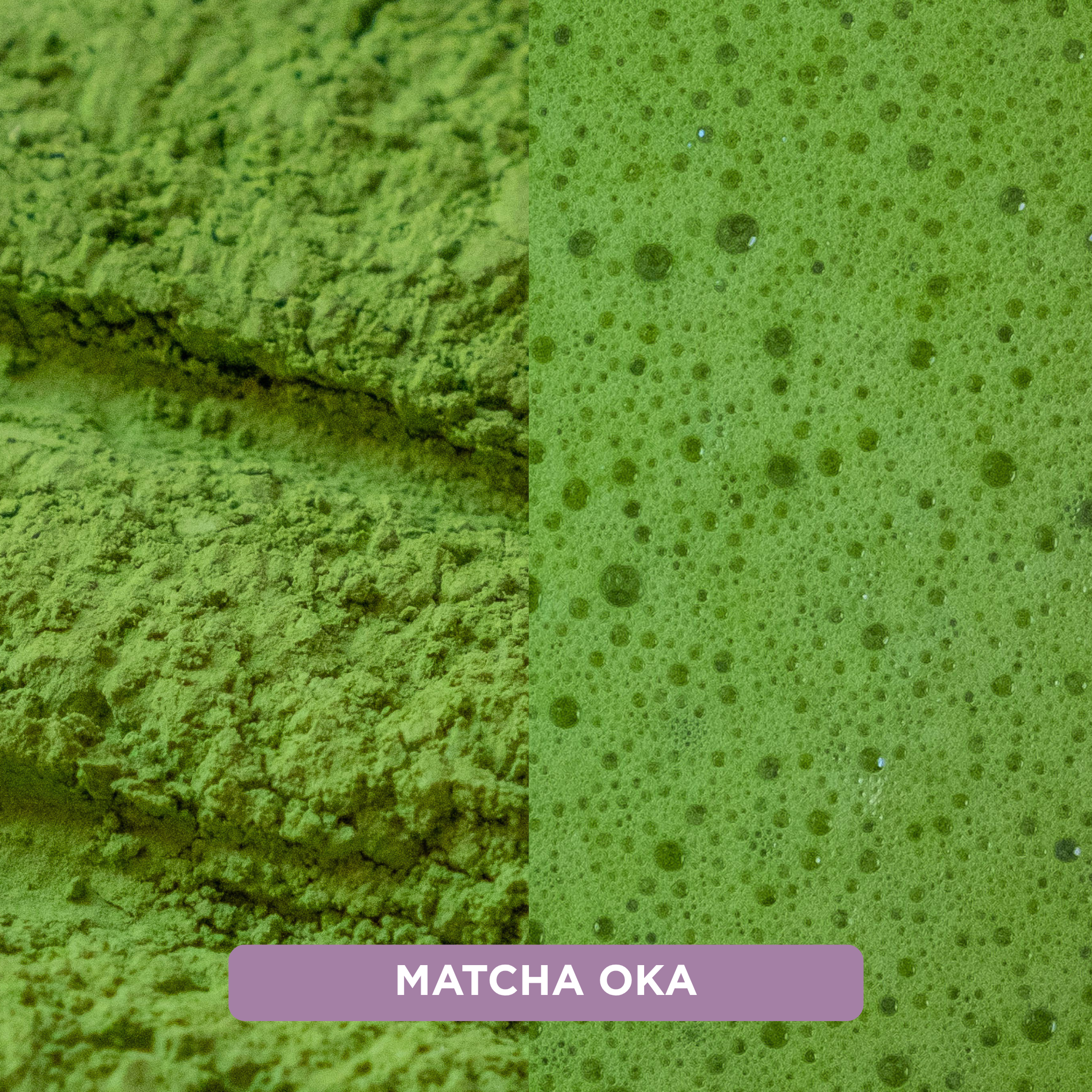
Rich, smooth, and vibrant – without bitterness. Balanced umami and natural sweetness in every cup.
exclusive collection
matcha tea powder
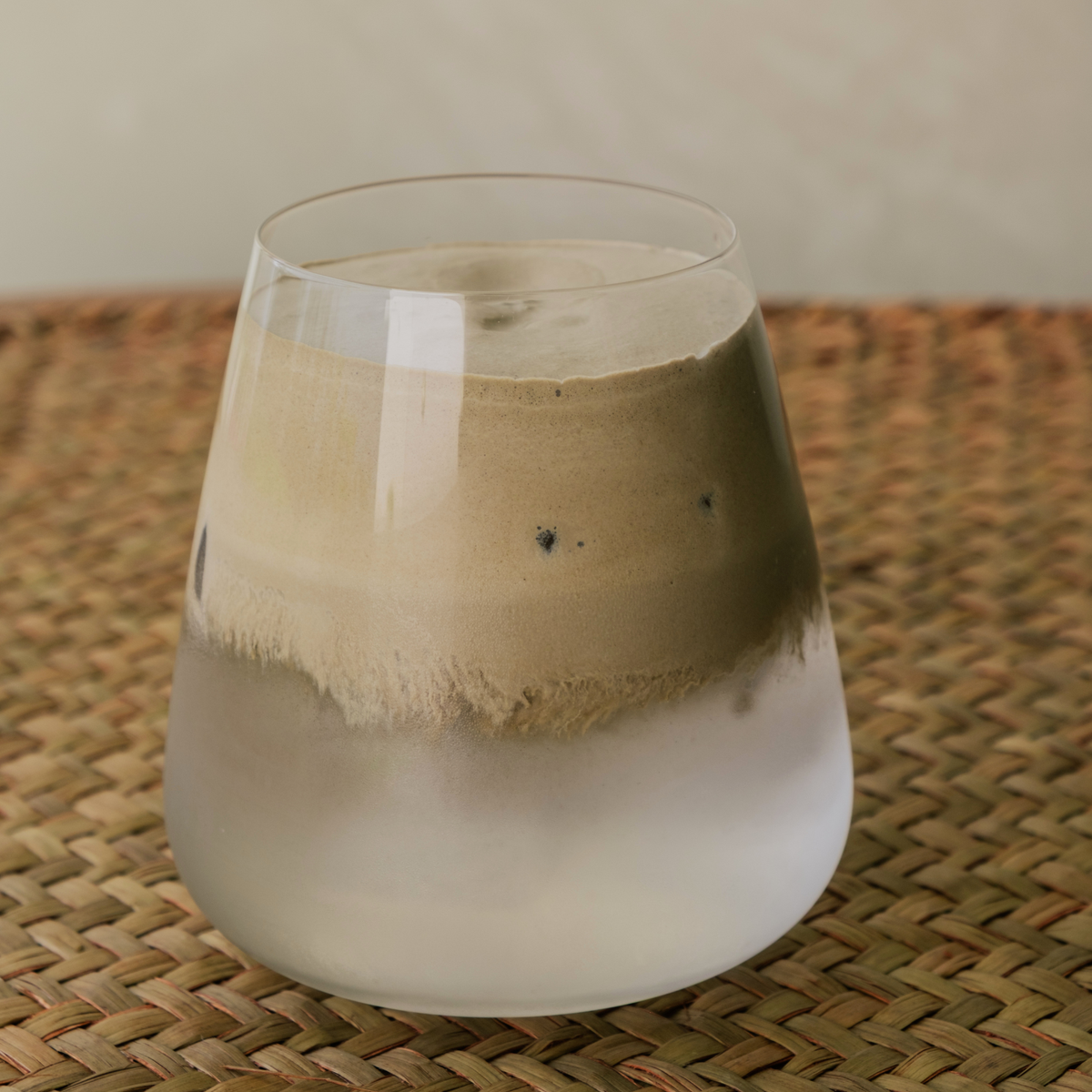
Hojicha time
Roasted, nutty, smooth and low in caffeine.
Hojicha drinks you can make
at home with a few ingredients.
Pick one and try it.
#1 CALMING BY NATURE
Unlike matcha, Hojicha is roasted in a way that gently lowers its caffeine. It has a smooth and soothing taste, ideal for evening moments or when you need a calm break.
#2 TOASTED FLAVOR
The roasting process brings out warm notes of nuts, cocoa, and wood. The flavor is soft, rounded, and comforting, with no bitterness.
#3 MODERN TRADITION
Hojicha was first created in Kyoto in the 1920s and became part of everyday tea life in Japan. Today, we offer it in fine powder form, easy to enjoy in lattes, tea shots, or slow rituals.
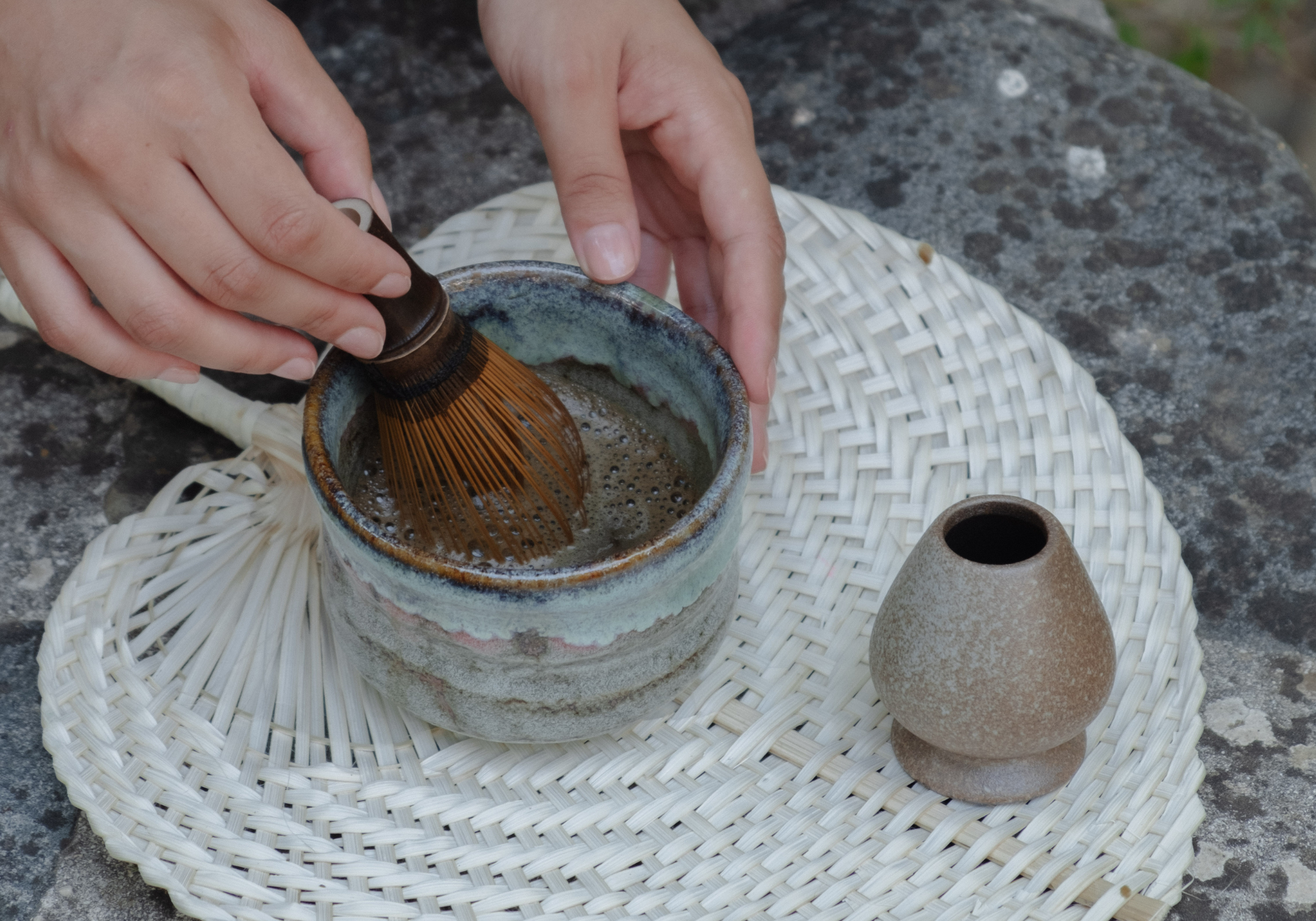
matcha & hojicha brewing steps

GREEN TEAS
Timeless Japanese Tradition

Japanese Superior Green Tea Gyokuro
A superior grade green tea, shaded for 20–30 days before harvest. As a result, the tea is rich in umami, naturally sweet, and smooth, with no trace of bitterness or astringency, and a depth that unfolds slowly in the cup.
Shade-grown like matcha | umami rich | delicate sweetness, smoothness.

Kukicha is made from the stems, stalks, and twigs of the tea plant. Naturally low in caffeine, with a smooth, mellow character and a light sweetness. Suited for drinking throughout the day.
Light taste | naturally aromatic | mellow, smooth finish.

stay in the loop!
Subscribe to our newsletter and
get a 10% discount on your first order.
tea blog
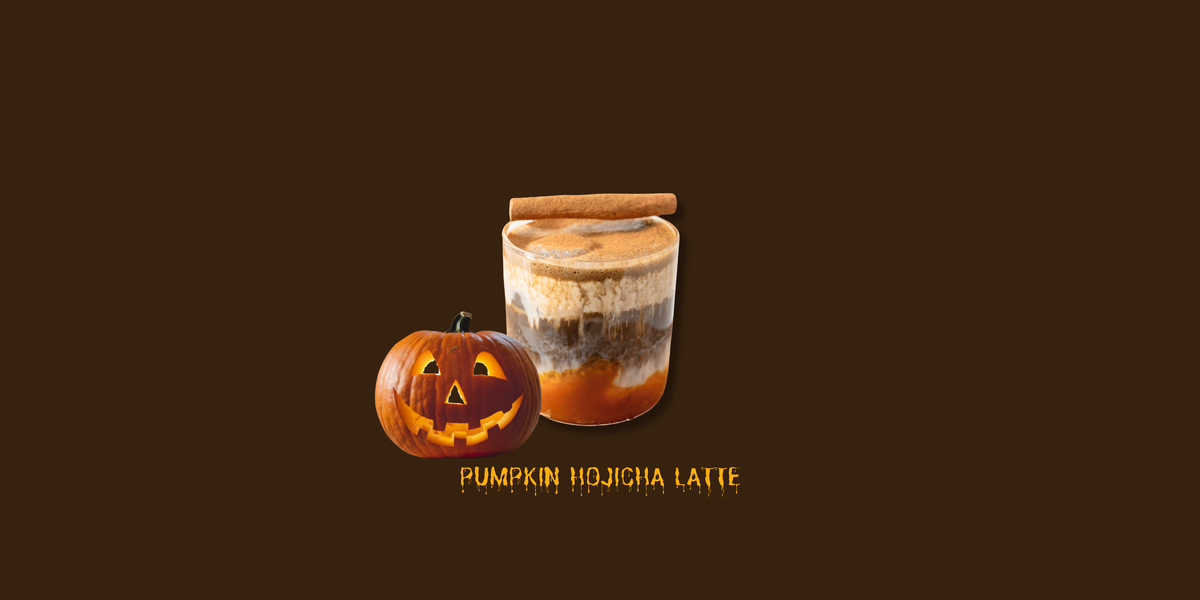
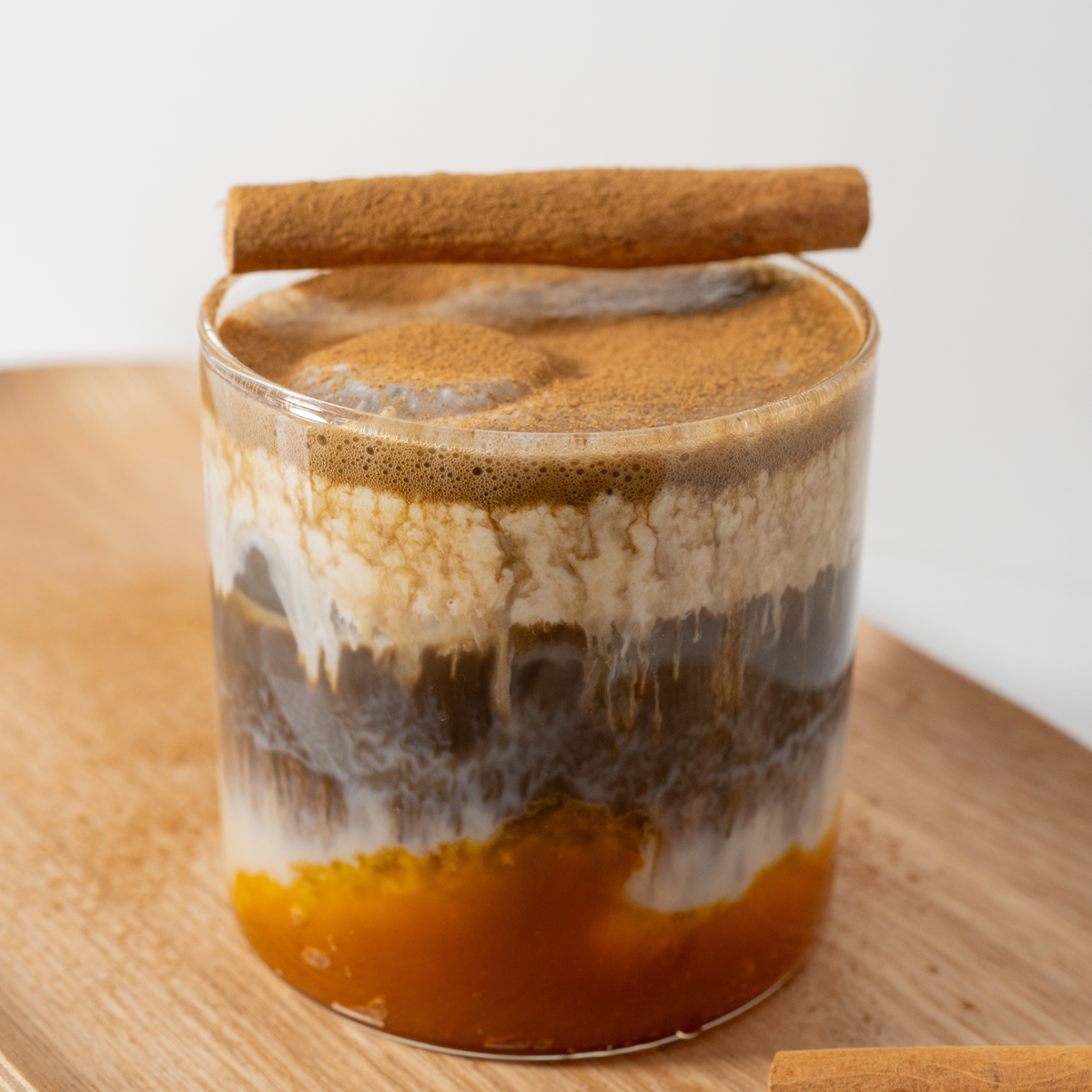
Iced Hojicha Pumpkin Latte Recipe
What is hojicha powder? Hojicha powder is roasted green tea, stone-ground into a fine powder. The leaves are roasted at high temperature, which gives the tea an amber colour and a nutty, roasted ta...
Read more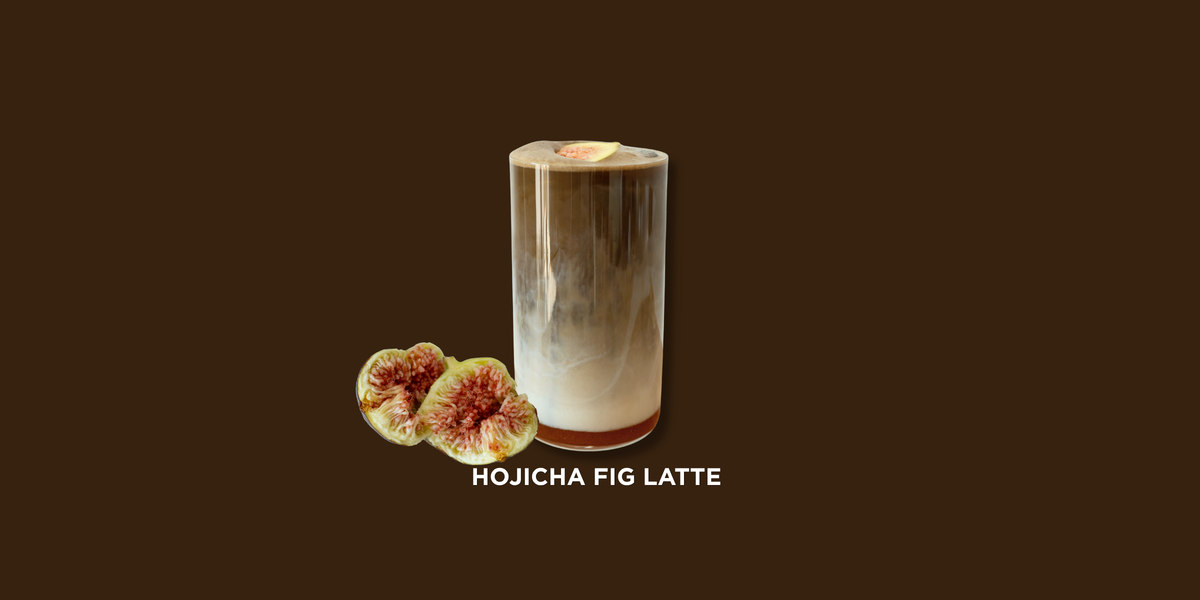
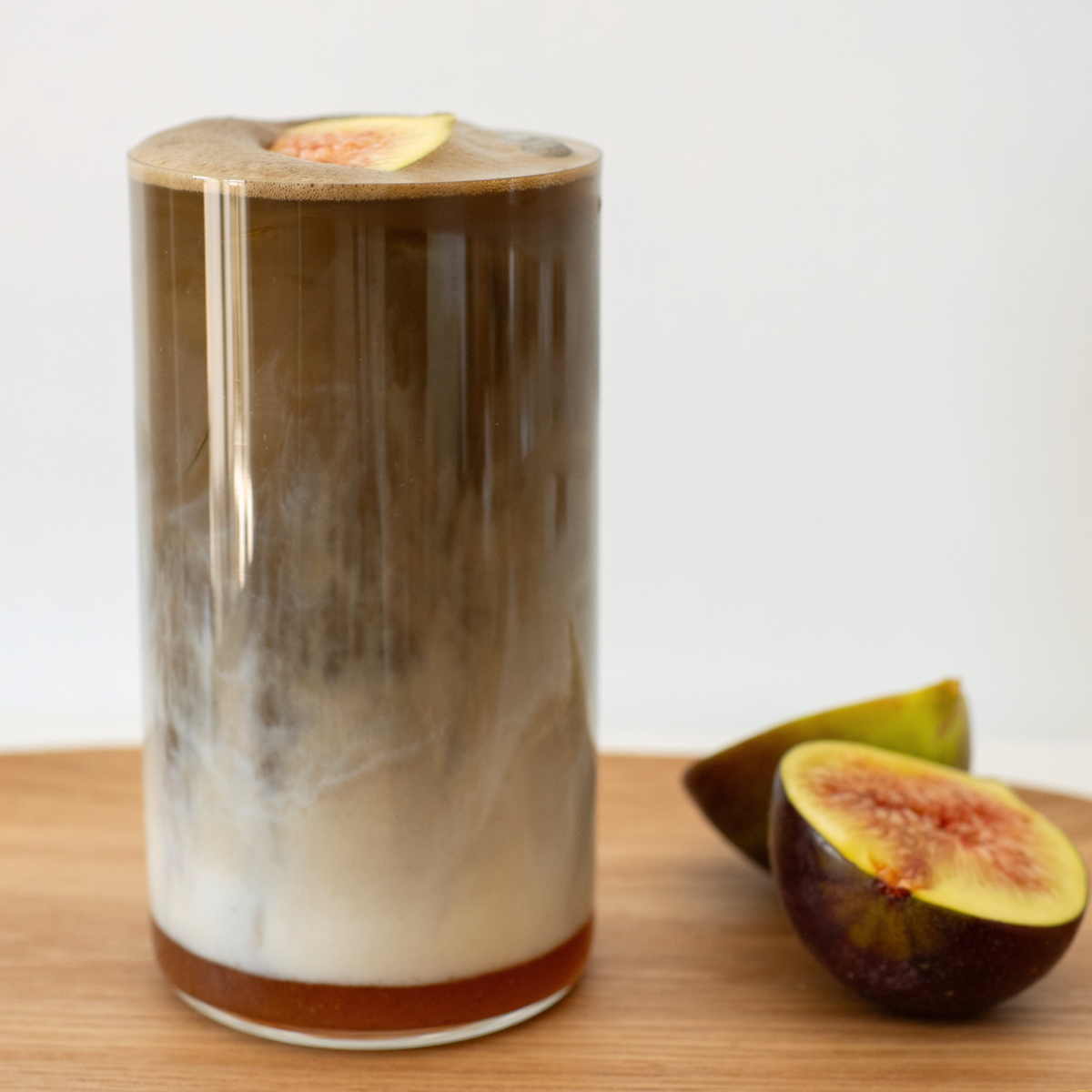
Hojicha Fig Latte with Homemade Fig Syrup
Hojicha is Japanese green tea that has been roasted, which gives it a toasty, warm depth. The fig syrup brings a jammy sweetness, and coconut milk softens the whole glass. It is a drink you can mak...
Read more
Loose Leaf Tea vs Tea Bags: What's Actually in Your Cup
Most tea bags are filled with dust, the smallest leftover pieces after the better leaves are sorted out. Loose leaf keeps the leaf whole, or close to it. That one difference changes how the tea age...
Read more