Matcha vs Coffee: What’s the Difference?
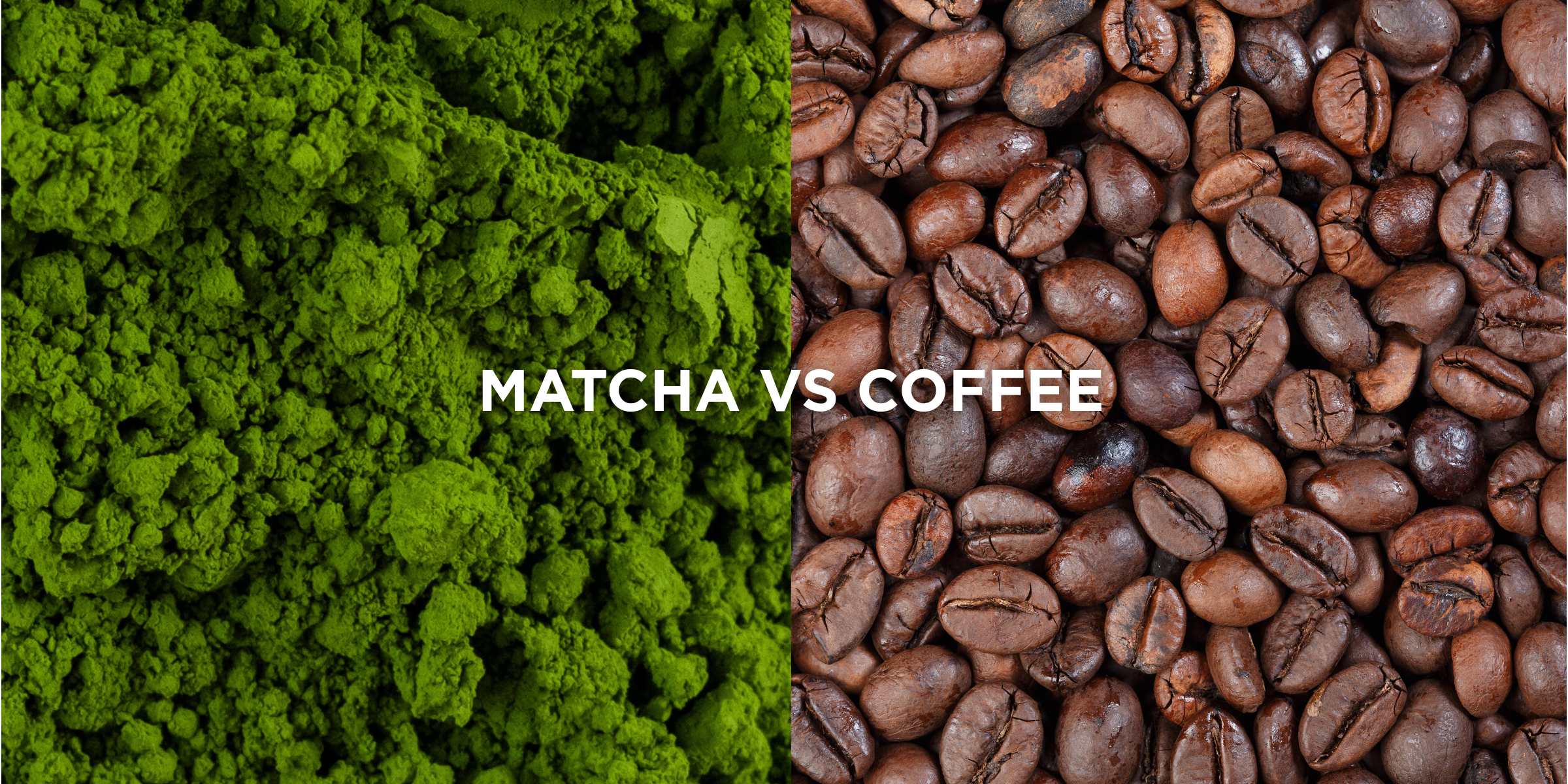
Matcha and coffee are consumed daily across many cultures. Although both are used as sources of caffeine, they differ significantly in composition, physiological effect, and cultural context. This article outlines the key differences between matcha and coffee, focusing on caffeine content, duration of effect, and traditional use.
Caffeine and Energy Release
A standard serving of ceremonial matcha prepared from approximately 2 g of powder contains about 60-70 mg of caffeine.
Matcha also contains L-theanine, an amino acid naturally present in shade-grown tea. L-theanine moderates the absorption of caffeine, resulting in a more gradual and sustained effect, typically lasting 4-6 hours.
Coffee delivers caffeine more rapidly.
A typical cup contains around 80-100 mg of caffeine per 100 ml, while a single espresso provides approximately 65-80 mg. The effect appears quickly but generally declines within 1.5-3 hours, depending on individual sensitivity and consumption habits.
Natural Compounds in Matcha and Coffee
Matcha is produced from whole tea leaves that are ground into a fine powder, which means the entire leaf is consumed. As a result, matcha naturally contains a concentrated range of compounds found in green tea, including catechins such as EGCG, chlorophyll, and amino acids. These components influence both the taste and the way matcha is experienced, contributing to its smooth character and balanced stimulation.
Coffee also contains naturally occurring compounds, most notably chlorogenic acids. While they play a role in coffee’s antioxidant profile, coffee does not contain amino acids such as L-theanine that moderate the effect of caffeine.
Physiological Response
Matcha
-
Gradual onset of effects (approximately 30-60 minutes)
-
More stable alertness over several hours
-
Lower likelihood of abrupt stimulation
Coffee
-
Rapid onset (approximately 10-30 minutes)
-
Shorter duration of effect
-
Greater variability in response, including possible overstimulation
Matcha is naturally low in acidity, which may be preferable for individuals sensitive to acidic beverages. Coffee is more acidic and can cause gastrointestinal discomfort for some people, particularly when consumed without food.
Taste and Preparation
When prepared correctly, ceremonial matcha has a smooth texture and a balanced flavor profile with mild sweetness and minimal bitterness. Taste is influenced by shading practices, harvest timing, and milling method.
Coffee exhibits a wide range of sensory characteristics depending on bean origin, roast level, and brewing technique. Bitterness and acidity are common structural elements of coffee flavor.
Matcha preparation is traditionally associated with Japanese tea practices, which emphasize precision, attention, and simplicity. Coffee preparation, while varied, is generally oriented toward efficiency and daily consumption rather than formal ritual.
Matcha vs Coffee: Comparison Overview
| Aspect | Ceremonial Matcha | Coffee |
|---|---|---|
| Caffeine (per serving) | ~60-70 mg per 2 g | ~65-80 mg per espresso (30 ml); ~80-100 mg per 100 ml |
| Effect | Calm focus and stable energy due to the interaction of caffeine and L-theanine | Rapid alertness, often followed by a decline in energy |
| Key compounds | L-theanine, catechins (including EGCG), caffeine, chlorophyll | Caffeine, chlorogenic acids, antioxidants |
| Onset | Gradual (30-60 minutes) | Fast (10-30 minutes) |
| Duration | 4-6 hours, steady release | 1.5-3 hours |
| Acidity | Low, generally gentle on digestion | Moderate to high, may irritate the stomach |
| Bitterness | Low when properly whisked | Medium to high, depending on roast and brew |
| Mental clarity | Smooth, sustained alertness with reduced tension | Short-term stimulation, may cause restlessness |
| Antioxidant content | High. Catechins, EGCG, flavonoids, vitamin C | Moderate. Primarily chlorogenic acids |
| Cultural context | Rooted in Japanese tea practice and ritual | Widely consumed as a functional daily beverage |

Conclusion
The choice between matcha and coffee depends on the desired type of stimulation and personal tolerance. Matcha provides a gradual and sustained form of alertness, while coffee offers a faster and more pronounced effect of shorter duration.
Both beverages have distinct characteristics shaped by their composition and cultural history. Understanding these differences allows for a more informed choice based on individual preference and context.
Explore Estradora Japanese Ceremonial Matcha
References
EFSA Panel on Dietetic Products, Nutrition and Allergies (2015)
Scientific Opinion on the safety of caffeine.
Haskell CF et al. (2008)
The effects of L-theanine, caffeine and their combination on cognition and mood.
Camfield DA et al. (2014)
Acute effects of tea constituents L-theanine, caffeine, and EGCG on cognitive function and mood.
Cabrera C et al. (2006)
Beneficial Effects of Green Tea.
All Estradora teas and related products are food products intended for general consumption. They are not medicines or medical supplements. Any references to potential benefits relate to traditional use or general information and are not medical claims. Products are not intended to diagnose, treat, cure, or prevent any disease. Always consume as part of a varied, balanced diet and a healthy lifestyle. If you are pregnant, breastfeeding, taking medication, or have a medical condition, consult your doctor or qualified healthcare professional before use.