GREEN TEA FOR SKIN: JAPANESE GREEN TEA GUIDE
Japanese green tea is often linked to skin because it contains catechins, plant compounds studied in relation to antioxidant activity, inflammatory response, and UV-related skin stress.
These compounds are associated with antioxidant and photoprotective effects relevant to skin health. [1]
The same compounds are also used in skincare, where green tea extracts appear as antioxidant and skin-conditioning ingredients.
Skin is constantly exposed to sunlight, stress, and environmental factors. Over time, this affects how it looks and feels. In this context, green tea is most often discussed as part of how the skin responds to oxidative stress and daily exposure.
Green Tea and Skin
In the context of skin, green tea is most often associated with:
- antioxidant support
- response to oxidative stress
- UV-related skin exposure
- inflammatory signaling
- measurable aspects of skin quality
Green tea compounds have been detected in skin tissue after consumption. Published findings also describe support in measurable skin-related parameters such as elasticity, roughness, erythema response, hydration balance, blood flow, and oxygen delivery.
Green tea polyphenols are associated with reduced UV-induced erythema and improvements in several measured skin-quality parameters. [2]
Sun Exposure and Skin Stress
Sun exposure is one of the main external factors affecting skin over time. This is where green tea shows its clearest connection.
Green tea polyphenols are associated with reduced erythema and lower markers of UV-related skin damage.
Topical green tea polyphenols reduced UVB-related erythema and DNA photodamage markers in human skin. [3]
This reflects how green tea is linked to the skin’s response to environmental stress, especially UV exposure.
Matcha and Green Tea
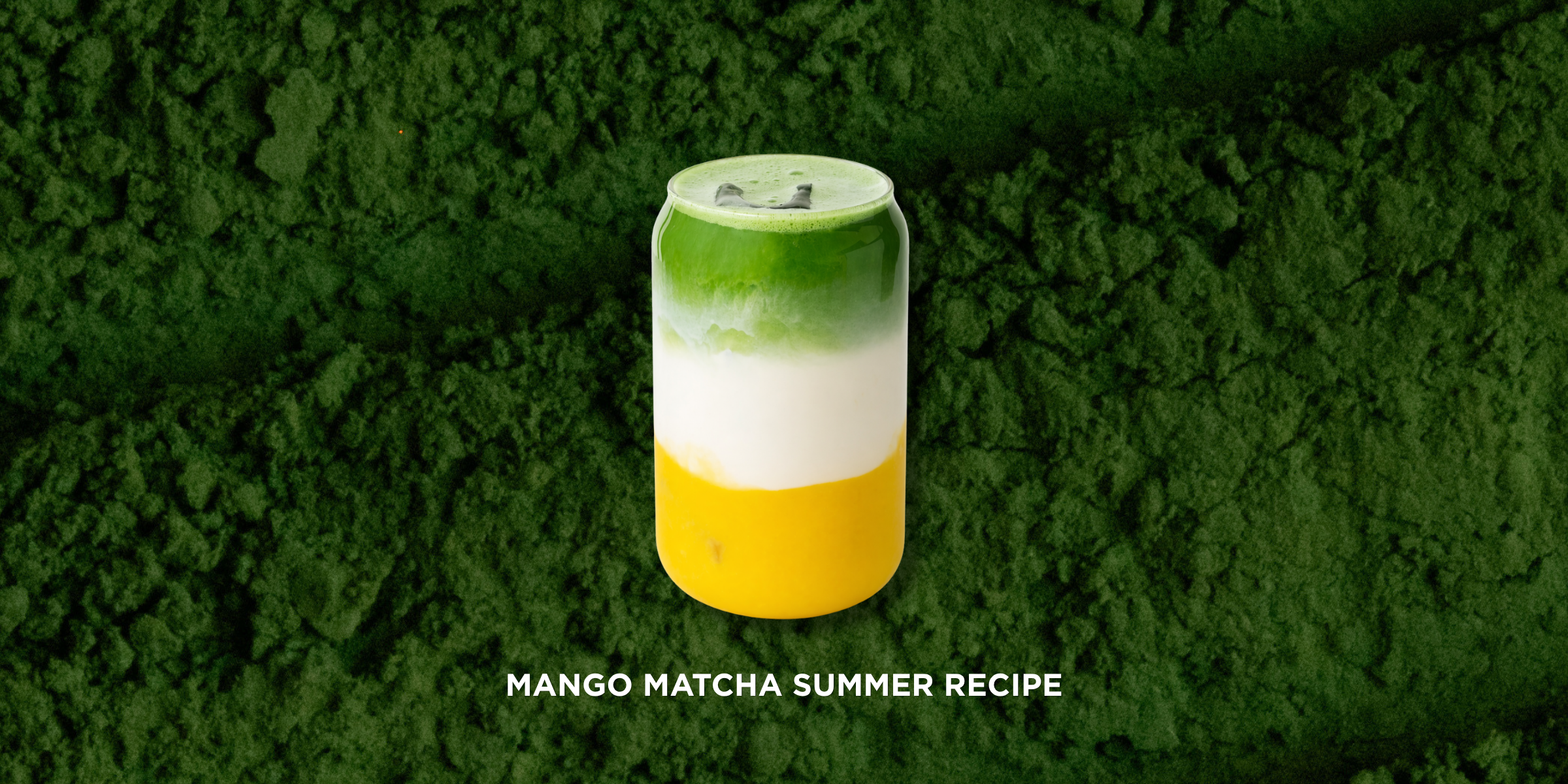
Matcha is made from finely ground whole tea leaf, so the entire leaf is consumed rather than infused. This results in a higher intake of catechins, including EGCG, compared to regular green tea.
Because of this, matcha delivers a more concentrated intake of the compounds associated with antioxidant activity and the skin’s response to environmental stress.
Matcha also contains chlorophyll, L-theanine, and trace vitamins and minerals. Together, this creates a more concentrated composition compared to other green teas.
In everyday terms, this means:
- a higher intake of plant compounds
- a more consistent antioxidant exposure
- support in the context of daily environmental stress
At the same time, its role remains supportive.
Matcha is best understood as a more concentrated expression of green tea, not a separate solution, but a denser form of the same daily support.
Choosing a Tea
Different Japanese teas support the skin in different ways, not directly, but through the systems that influence it.
Matcha
A more concentrated form of green tea, providing a higher intake of catechins associated with antioxidant activity and the skin’s response to environmental stress.
Gyokuro
A shade-grown green tea rich in L-theanine, associated with a calmer stress response. This forms part of overall balance, which is closely connected to skin condition.
Hojicha
A roasted green tea with lower caffeine and a gentle character. It supports a more stable daily rhythm, especially in the evening, which is part of long-term skin maintenance.
Kukicha
A lighter tea made from stems, lower in caffeine and easy to drink throughout the day. It supports consistency, which is one of the key factors in how tea works over time.
What to Expect
Green tea supports the body through:
- antioxidant activity
- response to oxidative stress
- interaction with environmental exposure
This is most clearly seen in the context of UV-related skin stress.
Green tea polyphenols are associated with reduced UV-induced erythema and measurable changes in skin response. [2][3]
Its effect is gradual and depends on consistency over time.
Daily care remains essential. Sun protection, rest, and overall balance work together with tea as part of a long-term approach to skin.

Estradora View
Green tea for skin is connected to antioxidant activity, UV-related skin stress, and measurable aspects of skin quality.
At the same time, its role goes beyond the skin. Green tea supports overall balance in the body, and this is reflected in how the skin looks and responds over time.
Green tea extracts are also used in skincare, reflecting the same wider interest in catechins and polyphenols seen in research.
Its value is not instant. It works through consistency, daily use, and small habits built over time.
That is part of what makes Japanese tea meaningful. It brings value not only through composition, but through the quiet ritual it creates in everyday life.
EXPLORE OUR:
Disclaimer
All Estradora teas and related products are food products intended for general consumption. This article is provided for educational purposes only and does not make medical or therapeutic claims. Japanese green tea is not intended to diagnose, treat, cure, or prevent any disease. Any discussion of catechins, antioxidants, oxidative stress, or skin relates to general information about food compounds and published research, and should not be interpreted as medical advice. Always consume tea as part of a varied, balanced diet and a healthy lifestyle.
Sources
[1] Zheng XQ et al. Green Tea Catechins and Skin Health. Antioxidants, 2024.
[2] Heinrich U et al. Green tea polyphenols provide photoprotection, increase microcirculation, and modulate skin properties of women. Journal of Nutrition, 2011.
[3] Katiyar SK et al. Green tea polyphenol treatment to human skin prevents formation of ultraviolet light B-induced pyrimidine dimers in DNA. Clinical Cancer Research, and related photoprotection literature summarized in later reviews.
[4] Matcha composition and antioxidant profile as summarized in the green tea catechin review and related review literature on green tea constituents.
[5] Di Sotto A et al. Efficacy and Safety of Oral Green Tea Preparations in Skin Ailments: A Systematic Review of Clinical Studies. Nutrients, 2022; plus American Academy of Dermatology sunscreen guidance.