MATCHA NAMI 100 G | Japanese Ceremonial Matcha Powder
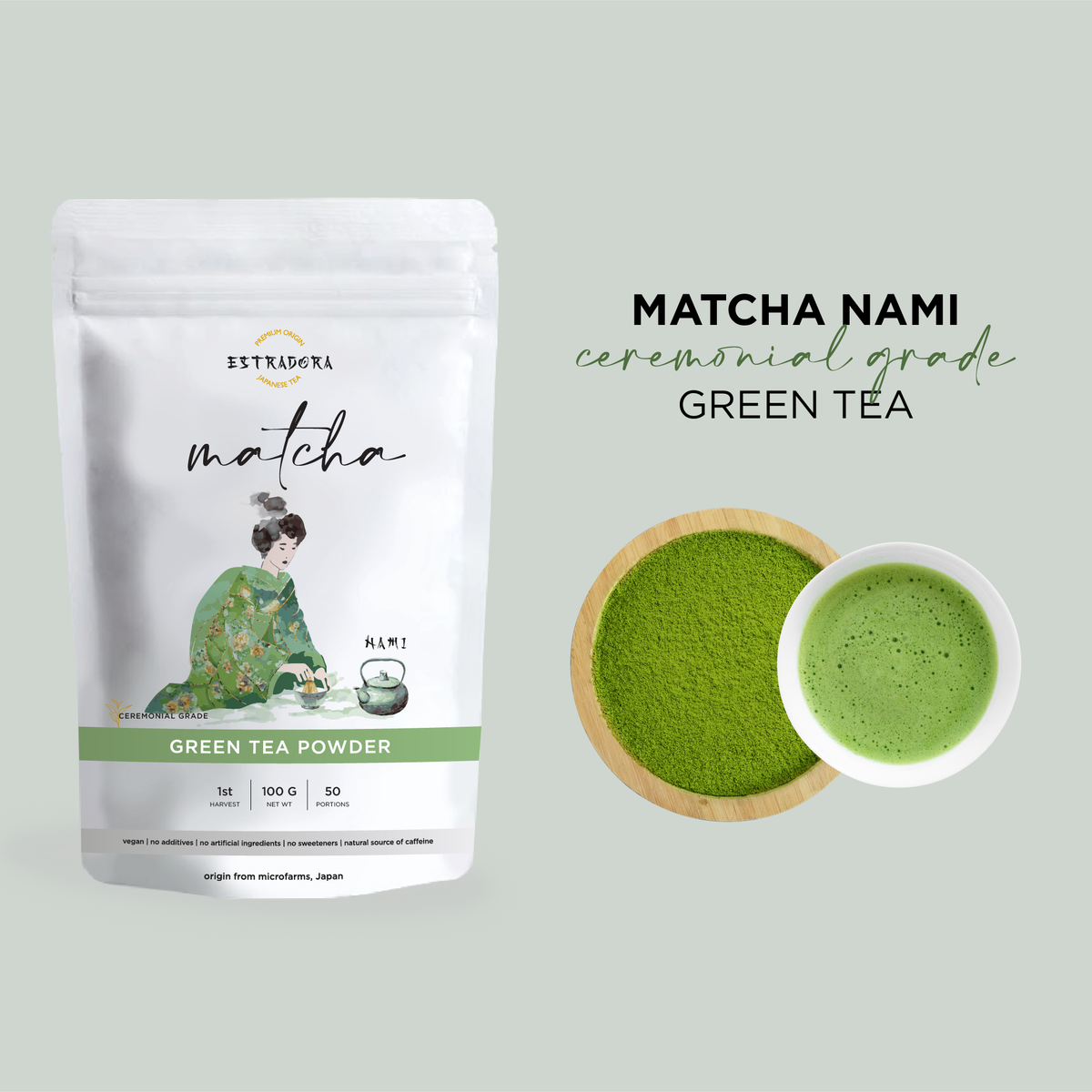
Japanese Ceremonial Matcha Powder “Nami”
Basic everyday matcha, ideal for traditional preparations and modern latte creations.
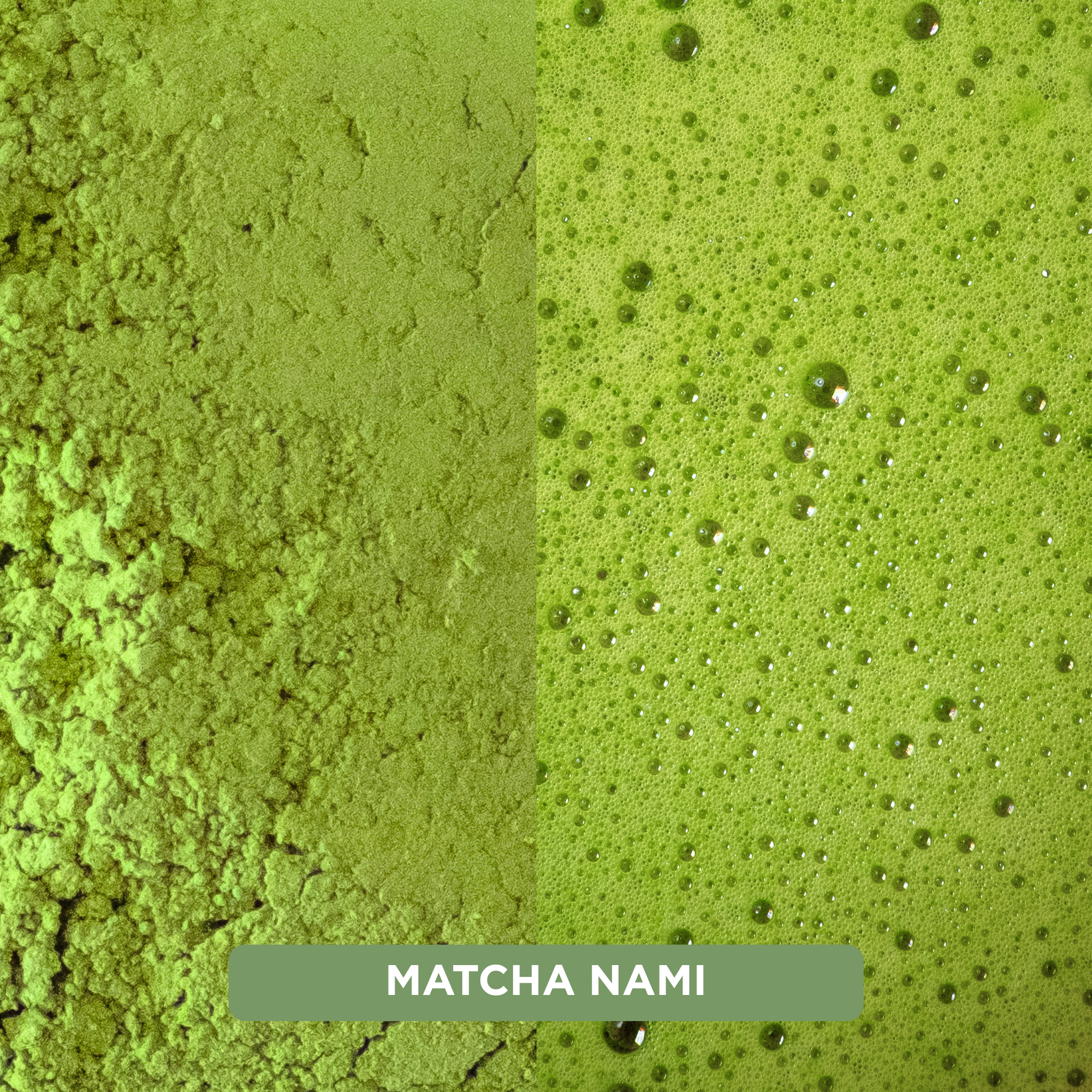
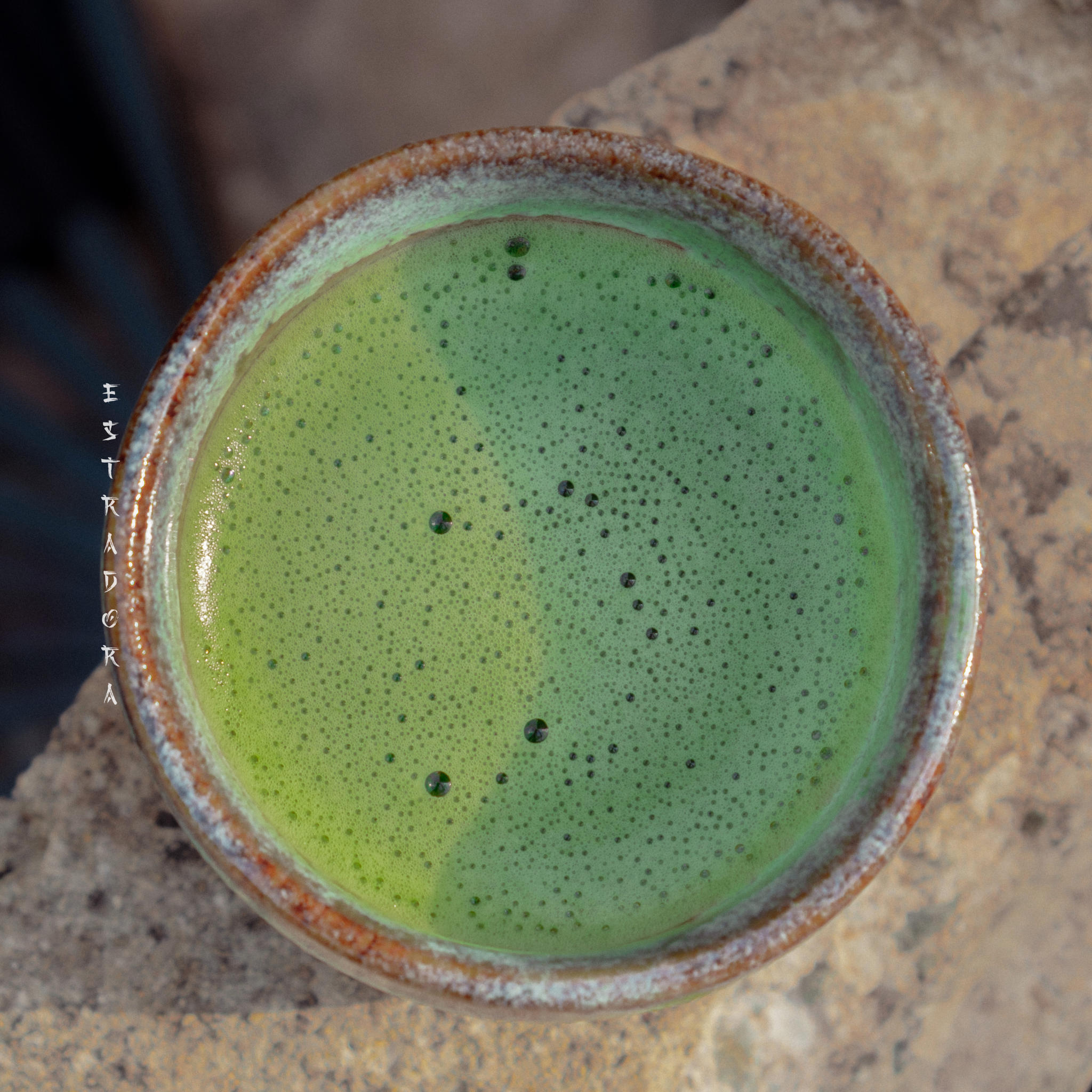
Stone-milled from first-harvest tencha tea leaves, it easily dissolves with water, resulting in a silky texture, with a strong foam.
Gentle umami, balanced with a refreshing, grassy aroma — opens up in delicate light sweetness, mild finish with no bitterness, calm and approachable.
Production region: Shizuoka, Japan.
Cultivar: Yabukita × Asanoka.
Harvest: first harvest (ichibancha), spring.
Processing method: traditional stone-milled powder.
Tasting notes: soft floral · light cream · fresh grass · light sweetness.
Taste profile:
Umami & Richness 🍃🍃🍃🍃🍃Sweetness 🍃🍃🍃🍃🍃Aroma 🍃🍃🍃🍃🍃Brightness 🍃🍃🍃🍃🍃Astringency 🍃🍃🍃🍃🍃
Bitterness 🍃🍃🍃🍃🍃
Best for: · matcha lattes · daily ritual · first-timers.
Choose options
Green tea.
Nutrition information per 100 g of product:
Energy…..325 kcal
Fat…..5 g
of which saturates…..0.5 g
Carbohydrate…..40 g
of which sugars…..0 g
Protein…..30 g
Salt…..0 g
Store in a cool, dark and dry place. Avoid moisture and direct sunlight.
Keep the pack airtight after opening.
Best before date on the label. Once opened, consume within 6 months.
2 g powder per cup.
- Grown, harvested, and packed in Japan – directly at the source for guaranteed authenticity.
- Fresh-lock packaging – sealed in premium aluminum foil pouches to preserve aroma, nutrients, and flavor.
- Best before date printed on each package – always visible for full transparency on freshness.
- Shipped in original packaging – no repacking, ensuring you receive the tea exactly as it leaves Japan.
- Sift 2 g matcha into a bowl (chawan).
- Add about 20 ml warm water (70 °C) and whisk into a smooth paste.
- Add the remaining 40 ml and whisk in an M/W motion until lightly foamy.
- Avoid boiling water, as it disturbs the delicate flavour.
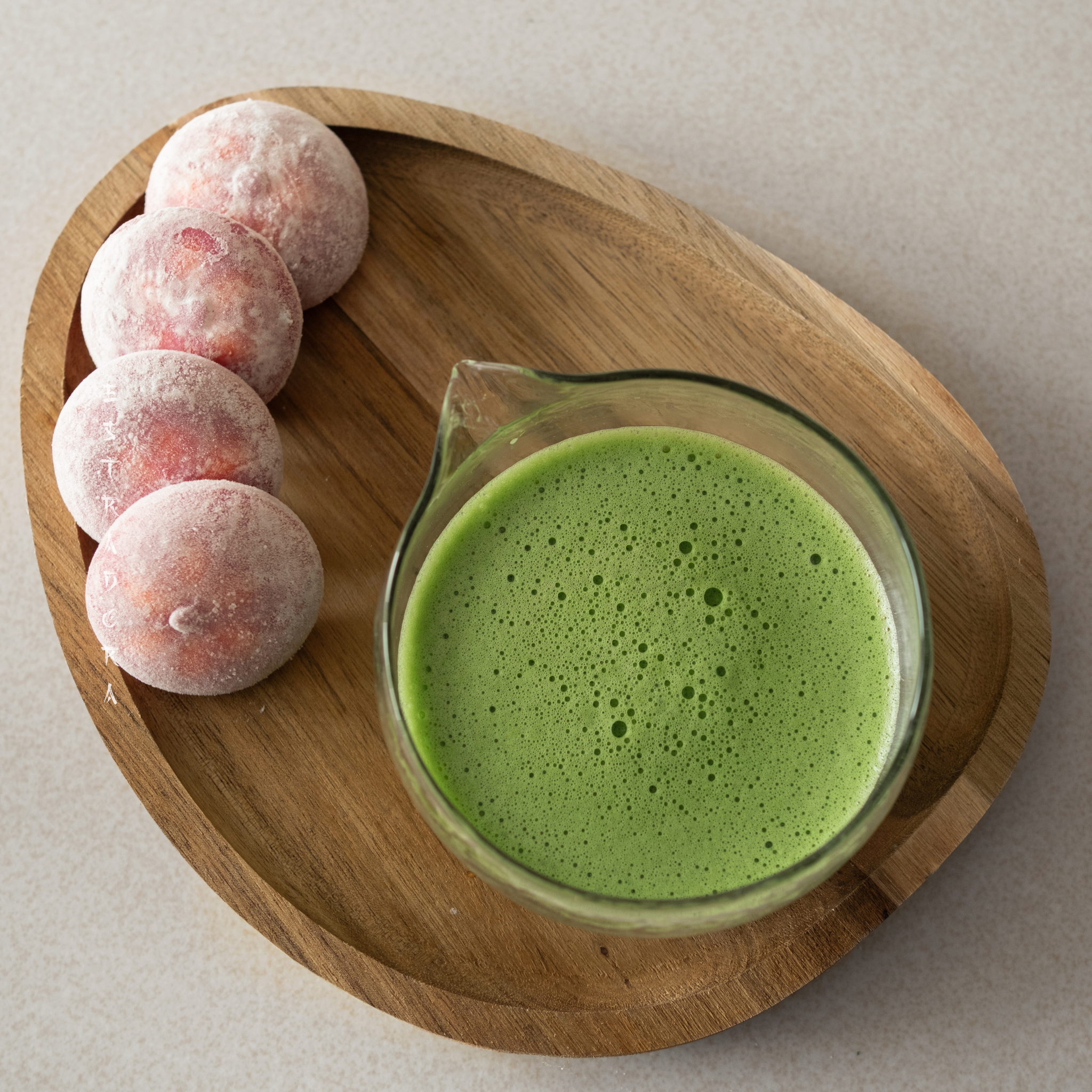
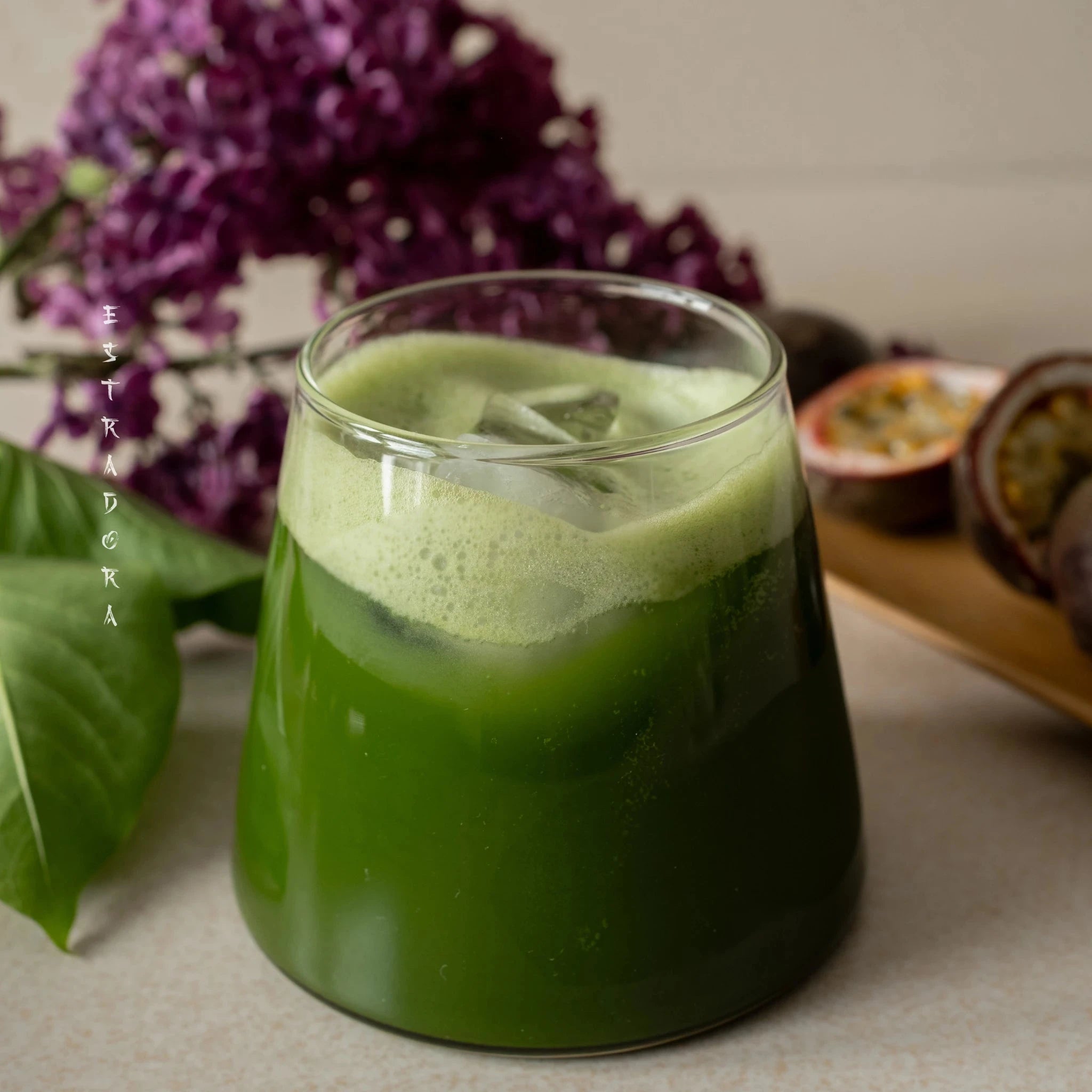
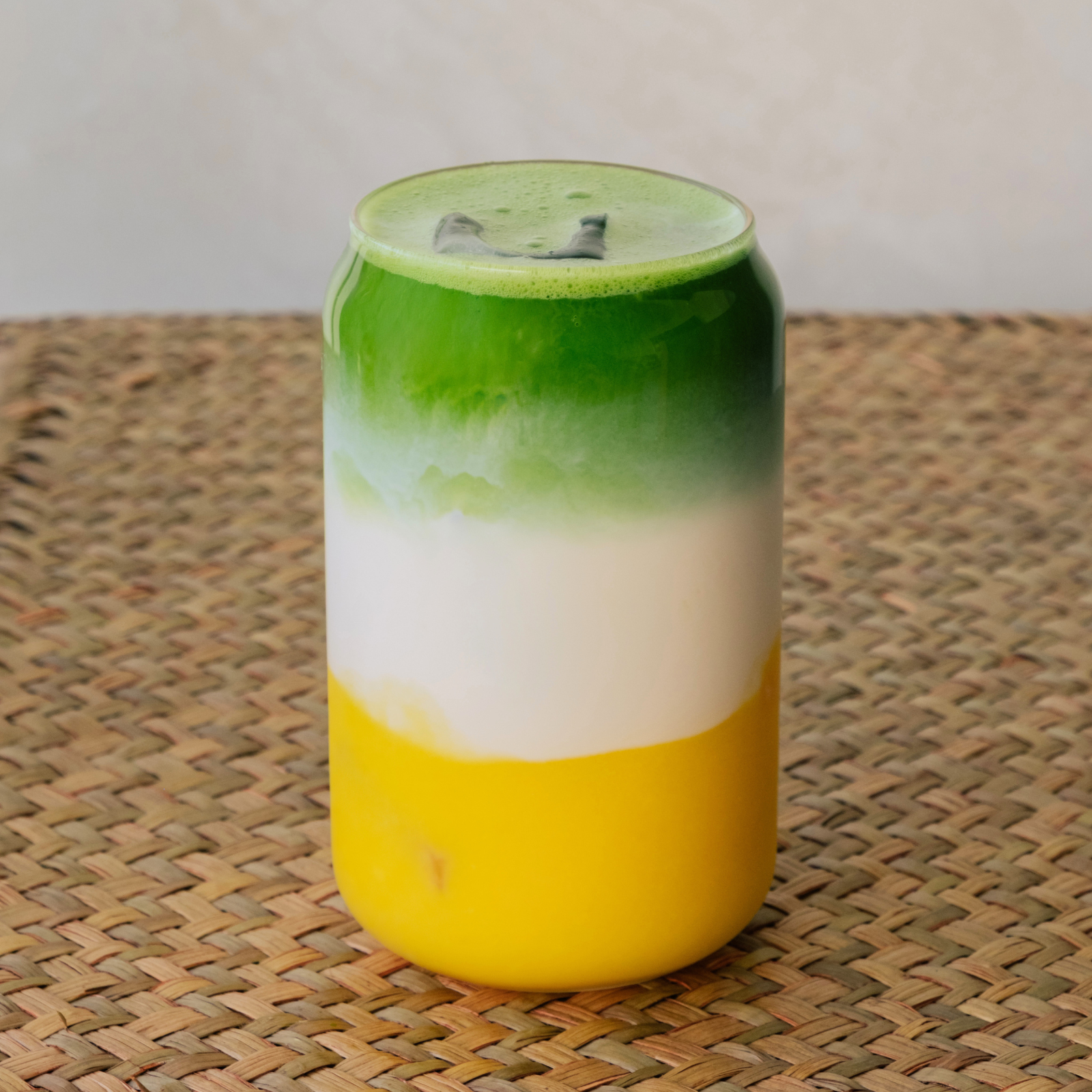
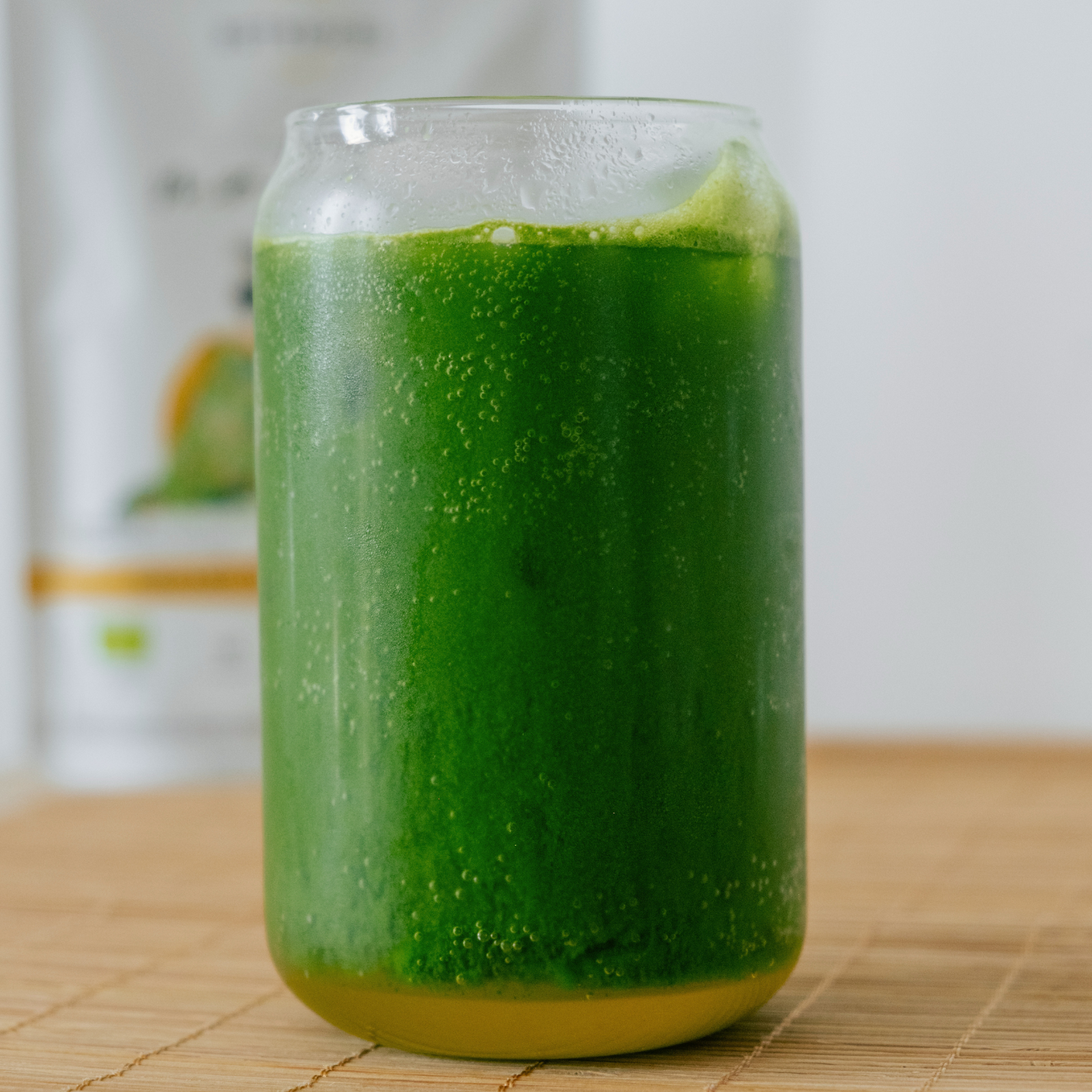
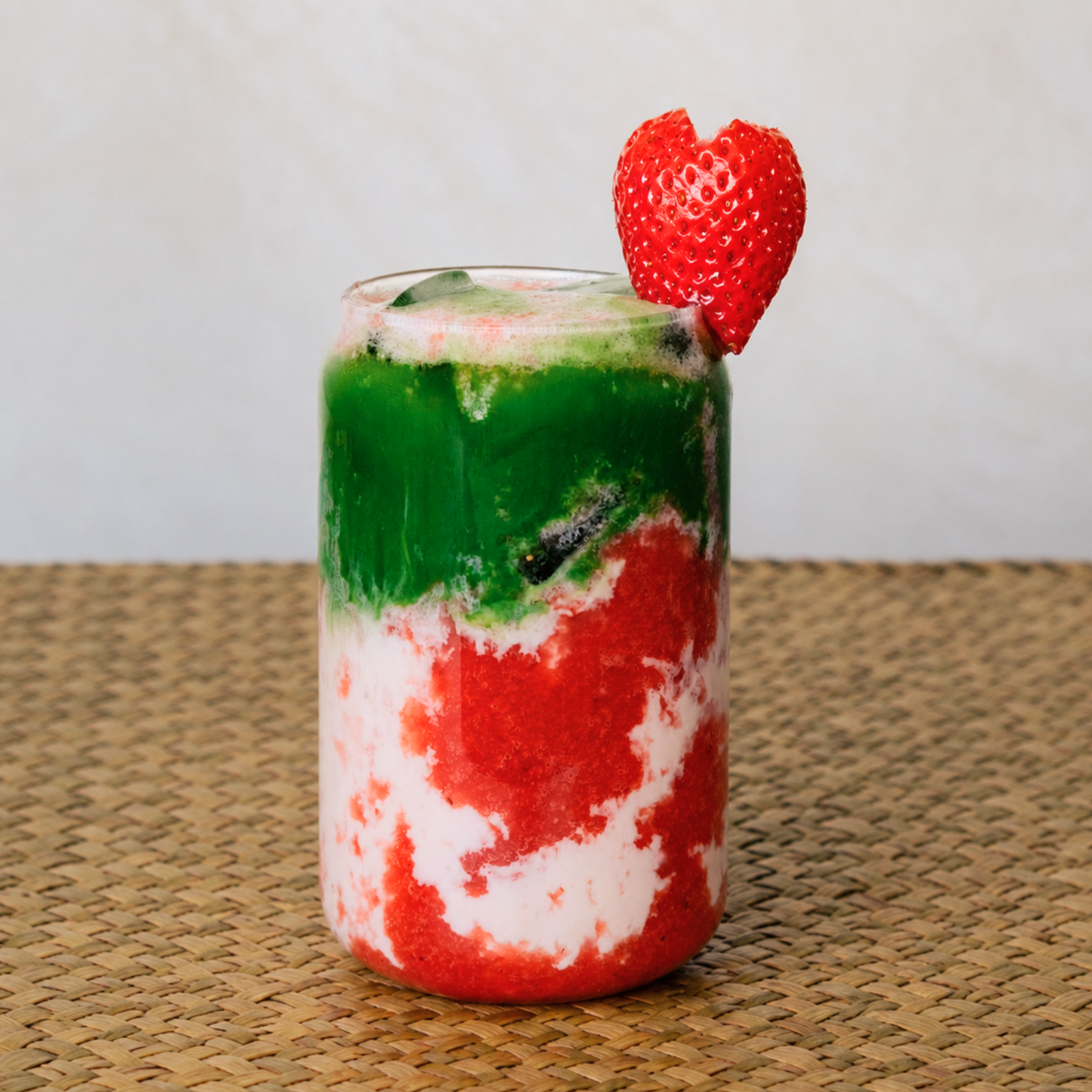
- Enjoy straight, or use as the base for any matcha drinks.
- Drink immediately after preparation.
More tips about Matcha brewing: read our article.
More tips about Matcha processing: read our article.

MATCHA REGION & CULTIVAR

Region
Shizuoka
Shizuoka, Japan’s largest tea-producing region, offers exceptional terroir for premium matcha.
Mineral-rich volcanic soil at the foot of Mount Fuji, combined with mild winters and warm, humid summers, creates ideal conditions for cultivating tencha — the shade-grown leaf used to make matcha.
Ocean breezes from Suruga Bay stabilize temperatures, while morning fog in elevated growing areas like Honyama diffuses sunlight naturally.
Farmers enhance this effect with traditional shading techniques before harvest, boosting chlorophyll and theanine levels while reducing bitterness — the key to matcha’s signature vibrant color and smooth, umami-rich flavor.
With modern processing facilities and generations of expertise, Shizuoka has become a leading source of high-grade matcha, prized by tea makers worldwide for its balance of quality and consistency.

Region
Kyoto
Kyoto, home to Japan’s famed Uji tea district, offers the perfect terroir for premium green tea.
Its warm, humid summers and mild winters create ideal growing conditions for tea plants, while morning mist along the Uji and Kizu rivers filters sunlight — reducing bitterness and boosting umami-rich amino acids like theanine.
Rich, well-drained river valley soil adds essential minerals, and the region’s signature shading technique (ōi-shita saibai) further concentrates flavor and nutrients, producing the deep sweetness prized in Uji matcha and gyokuro.
With over 800 years of tea-growing heritage, Kyoto remains synonymous with Japan’s finest matcha and gyokuro teas.

Cultivar
The difference in our matcha
Every batch of Japanese matcha carries the character of the tea bush it came from: the shape of its leaf, the depth of shade it grew under, the pace of its season. Cultivar sets that character, harvest timing and the stone-mill finish it.
Some ceremonial matcha stays close to the garden: fresh spinach, cut grass, a light floral note. Other cultivars turn smooth and creamy, with a gentle citrus lift. A few build something deeper: pine, sea breeze, ripe melon and apricot, closer to a slow, layered umami than a simple green tea.
The result is a matcha range that moves from light to deep, so there is a matcha powder suited to how you actually drink it, plain in the morning, or folded into milk later in the day.
— per serving · — servings per pack
We recommend 2 g per serving. Fill in the pack price and weight to see your own cost per cup.
Due to recent market research, at cafes, an average matcha cup (unknown quality) starts from €5.50 per serving.
With Estradora, your matcha cup starts from €0.90 — at least six times better value, money and quality wise.
Looking for matcha for your business? Contact us via our wholesale page.