Matcha Grades Explained - Authentic Japanese Quality Guide
Outside Japan, Matcha is often labeled as ceremonial, premium, or culinary grade. These terms are now also used in Japan for easier communication with international buyers, but they are not official standards. Within Japan, true quality is still judged by craftsmanship - how the tea is grown, harvested, and processed.
In traditional Japanese tea production, quality is defined by authentic factors that directly influence the taste, color, and texture of Matcha:
Leaf selection – only the youngest, most tender leaves from the top of the tea bush are used for high-grade Matcha. Lower leaves or stems create a coarser powder with more bitterness.
Harvest season – the first spring harvest (ichibancha) produces the most vibrant and umami-rich Matcha, while later harvests (nibancha, sanbancha) have lighter flavor and lower amino acid content.
Cultivar (tea variety) – cultivars such as Saemidori, Okumidori, Uji Hikari, and Asahi are highly prized for their sweetness, depth, and balanced umami. Each brings a distinct taste and aroma, much like grape varieties in wine.
Shading duration – before harvest, the plants are shaded for 20–30 days to increase chlorophyll and L-theanine. Longer shading results in deeper color and a smoother, richer flavor.
Harvesting method – hand-picking ensures only perfect young leaves are chosen. Machine harvesting gathers everything at once, including mature leaves, which reduces quality.
Processing precision – after steaming and drying, the tea is stone-milled slowly into an ultra-fine powder. Proper milling prevents heat buildup that can dull the color or affect aroma.
True Matcha quality depends on these factors: the cultivar, harvest, shading, and milling.

Estradora Expertise in Matcha Quality
At Estradora, we work directly with Japanese factories and tea plantations, ensuring traceability and authenticity. We carefully select Matcha made only from the highest quality tea leaves and offer different cultivars so that our customers can explore the diversity of Japanese terroirs.
Thanks to this direct sourcing and expertise, we can guarantee that every Matcha in our collection delivers the authentic color, aroma, and silky texture that true Japanese tea is known for.

How to Recognize High-Quality Matcha
Color: vivid, bright green.
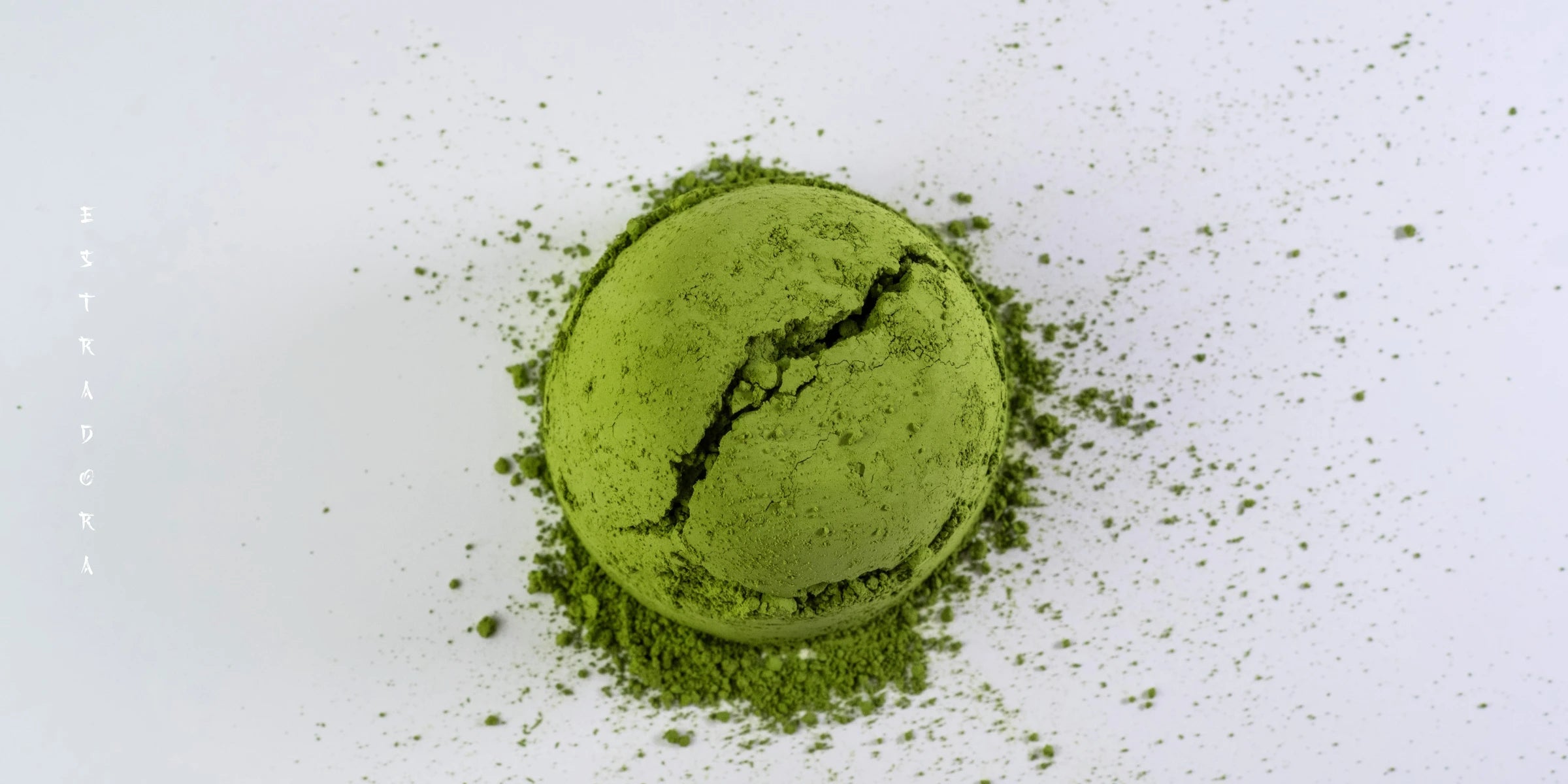
Texture: silky powder, never gritty.
Aroma: naturally sweet, fresh, with umami notes.
Taste: smooth, balanced, no harsh bitterness.
These are the real markers of quality - far beyond the simplified marketing of Matcha Grades.
Explore Our Matcha Collection
At Estradora, we select only the highest quality Matcha from Japan. You can explore our range of Matcha teas and tea accessories - bamboo whisks, bowls (chawan), whisk holders (naoshi) - all designed to bring the authentic ritual into your daily life.